10 Interesting Facts About Chinese New Year That You Would Like To Know
How Much Do You Know About Chinese New Year (Lunar New Year)?
Most people working with Chinese suppliers have heard of Chinese New Year – but few understand what it actually involves. Beyond the celebrations, it is one of the most significant annual events affecting manufacturing schedules, supplier communication, and logistics across Asia. Here are 10 facts worth knowing.
-
1. It’s Also Called the Spring Festival
The Chinese name is Chūnjié (春节), meaning “Spring Festival.” It marks the start of a new lunar year and carries deep cultural significance around renewal, family reunion, and good fortune. For factory workers across China, it is the one time of year most people return to their hometowns – often traveling thousands of kilometers to do so.
-
2. Chinese New Year Has No Specific Date
Chinese New Year follows the lunar calendar, which means the date shifts annually. It falls somewhere between January 21st and February 20th. The holiday period typically lasts 15 days, with the first week being the most disruptive to production schedules. Most factories announce their shutdown and resumption dates in advance – tracking these dates is essential for importers managing lead times.
-
3. Setting off Fireworks at Night
Setting off firecrackers and fireworks is one of the most recognizable traditions of the festival. Historically, the noise was believed to ward off evil spirits and misfortune.
Today it remains a central part of New Year’s Eve celebrations, particularly in smaller cities and rural areas where restrictions are less common than in major urban centers like Beijing and Shanghai.
-
4. Red Envelopes (Hóngbāo)
Giving red envelopes containing money is a core tradition, particularly for children and younger family members. The red color symbolizes good luck and prosperity.
In recent years, digital red envelopes sent via WeChat have become extremely popular – during the Spring Festival period, hundreds of millions are exchanged daily. For anyone working with Chinese business contacts, receiving or sending a digital hongbao during this period is a common and warmly received gesture.
-
5. Traditional Foods with Symbolic Meaning
Food plays a central role in New Year celebrations, and many dishes carry specific meanings. Tanguan – glutinous rice balls served in soup – symbolize family reunion. Nian Gao (年糕), a sticky rice cake, represents progress and rising fortune (the word gao means both “cake” and “high”).
Fa Gao (发糕) is associated with prosperity, as fa means “to prosper.” These dishes appear at family reunion dinners on New Year’s Eve, the most important meal of the year.
-
6. Red Decorations
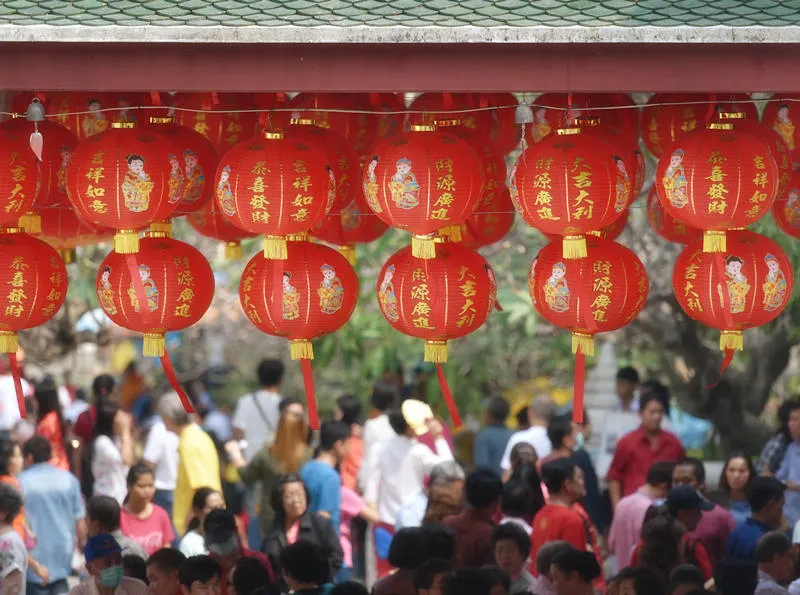
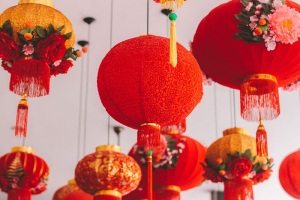
Red is everywhere during the Spring Festival – lanterns, banners, clothing, and decorations. In Chinese culture, red symbolizes luck, joy, and protection against misfortune. Homes and storefronts are decorated with red couplets bearing auspicious phrases, and many people wear new red clothing to welcome the new year. Visiting a Chinese supplier’s office or factory during this period, you will almost certainly see red decorations still in place well into February.
-
7. Zodiac Animal
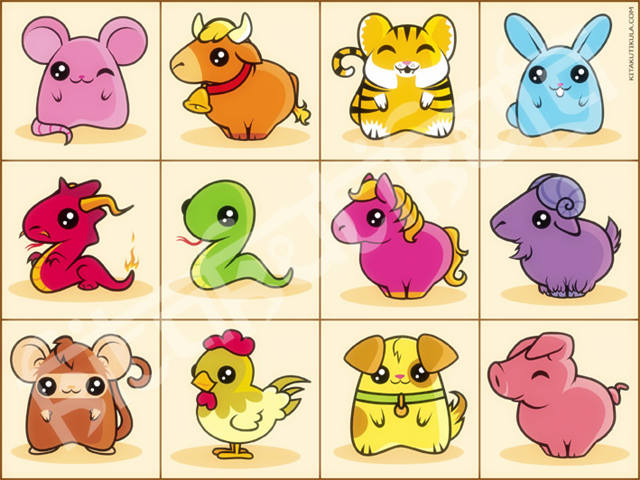
The Chinese zodiac cycles through 12 animals, each representing a full year. The current year’s animal is believed to influence the character of people born during that year. The cycle runs: Rat, Ox, Tiger, Rabbit, Dragon, Snake, Horse, Goat, Monkey, Rooster, Dog, and Pig. The zodiac is a frequent topic of conversation during the New Year period and appears widely in decorations, gifts, and greetings.
-
8. Greetings for the New Year
The most common greeting is Xīn Nián Kuài Lè (新年快乐) — “Happy New Year.” In business contexts, Gōng Xǐ Fā Cái (恭喜发财) – “Wishing you prosperity” – is widely used and warmly received. Sending a brief New Year greeting to your Chinese suppliers and contacts during this period is a simple gesture that goes a long way in maintaining good working relationships.
-
9. The Lantern Festival
The Spring Festival officially concludes with the Lantern Festival on the 15th day of the new lunar year. Communities gather to display elaborate lanterns, solve riddle games written on lantern tags, and eat tangyuan. It marks the first full moon of the new year and signals the end of the holiday period – for importers, it is a useful reference point for when factory operations are typically fully restored.
-
10. New Year Celebrations is a Worldwide Celebration
Chinese New Year is celebrated far beyond mainland China. Significant festivities take place in Hong Kong, Taiwan, Singapore, Malaysia, Vietnam, and in Chinatown districts of major cities including San Francisco, London, Sydney, and New York. For importers sourcing from multiple Asian countries, it is worth noting that the holiday affects suppliers across the region — not just those based in China.
As the New Year season approaches, make sure to go out and watch the lion dances, parades, fireworks and eat fantastic food!
Related:
Author: AQI Service as a professional quality control service company in China specialized in providing a complete range of quality inspection and testing certification services in China & Asia for global importers, buyers, retailers, and sellers.