3 Different Product Inspection Result in Third Party Inspection Report

You get an inspection report back and it says “Fail.” Does that mean the shipment is bad? Not necessarily – and treating every failed result as an automatic rejection is one of the more expensive mistakes importers make. The inspection result on the report is a data point, not a verdict. Understanding how that result got calculated is what actually tells you what to do next.
What Goes Into the Result
Every inspection result comes from comparing what the inspector found against a sampling plan agreed before the inspection – not a gut call made on-site.
How AQL Sets the Line
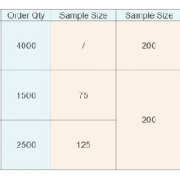
Inspectors don’t check every unit in an order; they pull a random sample sized according to an Acceptable Quality Limit (AQL) plan, most commonly based on ISO 2859-1. The plan sets three separate thresholds – for critical, major, and minor defects – and the inspection result is decided by comparing the number of defects actually found against those thresholds.
A shipment can have zero critical defects, a handful of minor ones, and still pass, because minor defects have a higher acceptance threshold than major or critical ones. Booking a pre-shipment inspection means agreeing on this sampling plan and these thresholds ahead of time, so the result isn’t a subjective call made in the moment.
Where the Report Data Comes From
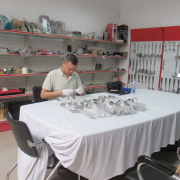
The report itself is built from what the inspector physically observed: measurements against your specification, function tests, appearance checks, and – if something couldn’t be verified – a clear note explaining why. A well-built report separates “this failed the spec” from “this couldn’t be tested,” because those two situations call for different responses from you.
Three Different Inspection Results for Third Party Inspections
-
“Pass”
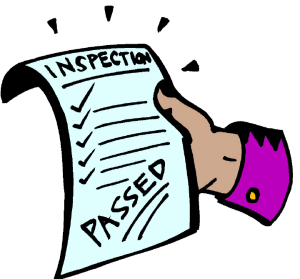
The sample met the agreed thresholds across the board. This is the result you want, but it’s a statement about the sample, not a guarantee about every single unit in the order – that’s the nature of sampling-based inspection, and it’s also why the sampling plan itself matters: a report from an inspection body operating under recognized standards like ISO/IEC 17020 carries more weight than one from an inspector working off no defined methodology at all.
-
“Fail”
The sample exceeded the acceptable defect threshold for at least one category. This is where most of the actual decision-making happens, and it’s covered in more depth below – a failed result is a signal to look closer, not an automatic instruction to reject the shipment.
-
“Pending”
Something in the plan couldn’t be completed – a required document wasn’t available, a specific test couldn’t be performed on-site, or the order wasn’t sufficiently complete to sample properly. Pending isn’t a quality judgment at all; it’s a note that the inspection process itself hit an obstacle.
Inspectors may use different language in reporting results, such as “accept” instead of “pass”, or “hold” instead of “fail”. But generally, these are the characteristics which define these basic results.
Most of the time, you can make a simple decision based on a inspection result of pass or fail especially in some solidified and repeated inspections. But there are some exceptions when you might accept or reject any order, despite an inspection result that seems to indicate otherwise.
When a Passing Inspection Result Doesn’t Mean You Should Ship
A pass tells you the sample cleared the threshold you set – it doesn’t tell you the threshold you set was the right one. If the AQL levels were configured loosely, or the sample size was small relative to the order, a technical pass can still leave real risk in the shipment. It’s also worth checking what wasn’t covered: an inspection scoped narrowly around visual defects, for instance, won’t catch a functional issue – a motor that runs hot under sustained use, a seam that holds up under a quick pull test but not repeated flexing – that only shows up after extended use. Two orders can both come back “Pass” and carry very different amounts of actual risk, depending entirely on what the sampling plan was set up to look for.
A pass is a green light within the scope of what was actually checked – it’s worth knowing what that scope was before treating it as a blanket clearance.
When a Failing Inspection Result Doesn’t Mean You Should Reject
This is the result that causes the most unnecessary rejected shipments, because “fail” sounds final and often isn’t.
Look at Which Category Tripped the Threshold
Start by looking at which defect category caused the fail – critical, major, or minor – and what the specific defect actually was. A shipment that fails because of a cluster of minor cosmetic issues is in a very different position than one that fails because of a safety-related critical defect. The first might be entirely usable with a price adjustment, a sort-and-repack, or a rework request at the factory; the second usually shouldn’t ship regardless of cost pressure or how close the deadline is. Items tied to a regulatory requirement – anything that needs to meet a standard like the CPSIA for children’s products, for example – sit firmly in the second category and shouldn’t be waived on cost or schedule grounds, no matter how minor the defect looks on paper.
For a full breakdown of the specific defect categories that most often cause a failed result – quantity shortfalls, packaging issues, labeling errors, workmanship, and cosmetic defects – and which of those are usually fixable without a full rejection, see our companion guide on the topic.
Weigh Your Timing and Leverage
The other factor worth weighing is timing. If the inspection happened while most of the order is still with the factory, a failed result is genuinely useful – you still have room to request rework, ask for a partial re-sample, or hold the balance payment until the issue is fixed. If it comes back after the goods are already in transit, your options shrink to accepting, rejecting, or negotiating a discount after the fact, which is exactly why booking the inspection at the right point in production matters as much as the result itself.
A rejection also isn’t free. Factor in what re-inspection, rework, or finding a new supplier actually costs against what accepting a shipment with a manageable defect rate would cost – sometimes the math favors a negotiated fix over a full rejection, and sometimes it doesn’t. That’s a business decision the report gives you the information to make; it isn’t one the report makes for you.
How to Handle a Pending Result
Treat “pending” as an instruction to go find out what happened, not as a placeholder you can ignore. Ask specifically what couldn’t be completed and why – a factory that repeatedly blocks a specific test is telling you something different than a factory that simply wasn’t ready on the scheduled date because production ran behind. The first is a red flag about what they might be hiding; the second is a scheduling problem that a rebooked visit usually resolves.
If the same category keeps coming back pending across multiple orders with the same supplier – the same test always somehow unavailable, the same documentation never quite ready – that pattern is worth more attention than any single incident. One pending result is an inconvenience. A pattern is information about how that supplier operates when nobody’s watching closely.
Making Better Decisions From Your Reports
The result field on a report is the headline, but the detail underneath it is where the actual decision gets made. Reading past “Pass” or “Fail” to the specific defect categories, the sample size used, and what was or wasn’t in scope is what turns an inspection report from a formality into something you can actually act on.
It also helps to look at results across orders rather than one at a time. A single failed inspection tells you about one production run. A pattern of failures in the same defect category, across several orders from the same factory, tells you something about that factory’s process – and that’s usually the more useful signal for deciding whether to keep sourcing from them at all. If you want to see exactly how that level of detail gets documented before you book an inspection, AQI Service can share a sample inspection report.
Frequently Asked Questions
Can I still ship a product that failed inspection?
Sometimes, depending on which defect category caused the fail. Minor or cosmetic issues are often negotiable; critical or safety-related defects generally shouldn’t ship regardless of the circumstances.
Who decides the AQL thresholds used in an inspection?
You do, typically in agreement with your inspection provider before the inspection is booked. Thresholds can be adjusted for product risk – tighter for electronics or children’s products, more lenient for low-risk cosmetic goods.
What should I do if I keep getting pending results from the same supplier?
Ask specifically what’s blocking completion each time. A recurring pattern – the same test never being available, the same documentation never being ready – is a supplier-management issue, not an inspection scheduling issue.
Related:
- What Does AQL 2.5 Mean in Quality Inspection? | AQL Standard
- 5 Essential Things in Garment Quality Control Inspections
- Top 10 AQL Terms That Importers Succeed in AQL Inspection
- A Comprehensive Guide to Quality Inspection Costs
- What is A Third Party Inspection Agency? Why Do You Need The Inspection Agency?
Author: AQI Service as a professional quality control service company in China specialized in providing a complete range of quality inspection and testing certification services in China & Asia for global importers, buyers, retailers, and sellers.