Amazon FBA Inspection Checklist: Preventing Inbound Rejections and Customer Complaints
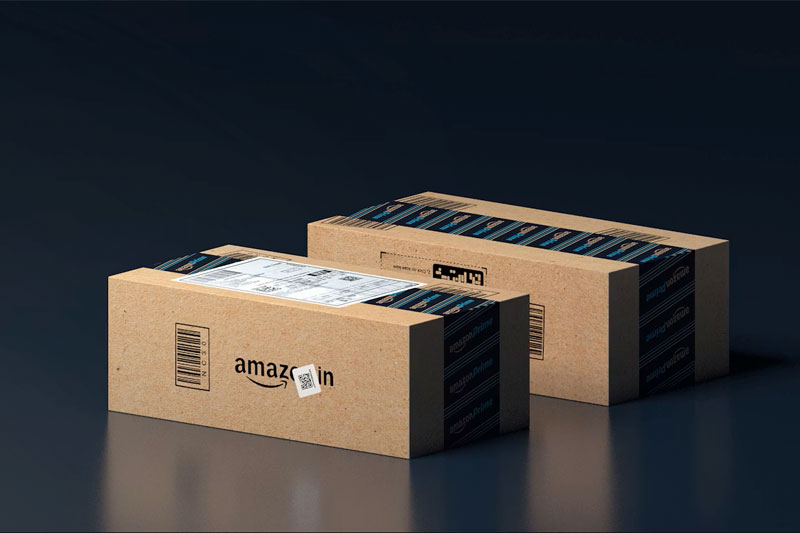
In the competitive landscape of cross-border e-commerce, Amazon FBA (Fulfillment by Amazon) remains the preferred model for global sellers. But behind that convenience sit two traps that quietly destroy a seller’s business: inbound rejections and customer complaints. This guide gives you the amazon FBA Inspection checklist experienced sellers use to catch both before goods ever leave the factory.

Amazon’s 2025 logistics policies tightened warehouse capacity limits and raised compliance standards for AI-driven sorting centers, and the effects are still playing out. Industry data shows FBA inbound rejection rates due to non-compliance climbed over 23% year-over-year following that rollout, leaving thousands of sellers with delayed inventory and eroded margins. At the same time, complaints are now tightly bound to Order Defect Rate (ODR), listing rankings, and account safety – a single serious complaint can trigger listing suppression.
The Amazon FBA Inspection Checklist
This is the checklist to run before any shipment leaves the factory. Print it, hand it to your inspector, or use it to brief a third-party inspection company.
1. Labeling Compliance
- Verify FNSKU barcode scannability – grade A or B; anything lower risks scan failure at the fulfillment center
- Confirm “Made in [Country]” labels are present, meeting customs and Amazon requirements
- Check for required “Sold as Set” stickers on multipack items
2. Packaging Integrity
- Run ISTA-1A drop tests to simulate courier handling abuse
- Confirm polybags carry required suffocation warnings
- Verify box dimensions stay within standard limits (typically 25 inches on any side, unless declared oversized)
3. Visual Quality
-

Apply zero tolerance for visible scratches on premium or branded items
- Check for dirt, glue residue, or odors that would prompt an immediate return
4. Functional Testing
- Electronics: charge tests, power-on tests, button fatigue testing across repeated cycles
- Apparel: zipper stress tests, seam strength verification
5. Compliance and Safety
- Confirm FCC or CE markings are present and correct for electronics
- Run lead and cadmium checks for jewelry and children’s items
- Attach MSDS sheets for battery-containing products
6. Quantity Verification
- Confirm carton count matches the packing list exactly – discrepancies here are a common trigger for Inbound Performance Alerts, independent of any product quality issue
Missing any one of these can mean a fully rejected shipment. A wrinkled or low-contrast label is enough – Amazon’s fulfillment centers now run AI visual sorting that scans incoming boxes automatically, and the margin for error has dropped to millimeter level.
Real example: A Bluetooth headphone seller preparing for Black Friday hired inspectors who discovered the factory was using thermal labels that faded under heat exposure – a defect that would have produced a 100% rejection rate at the fulfillment center. Catching it before shipment meant switching to thermal transfer labels and saving the entire order.
Why Rejections and Complaints Are So Costly
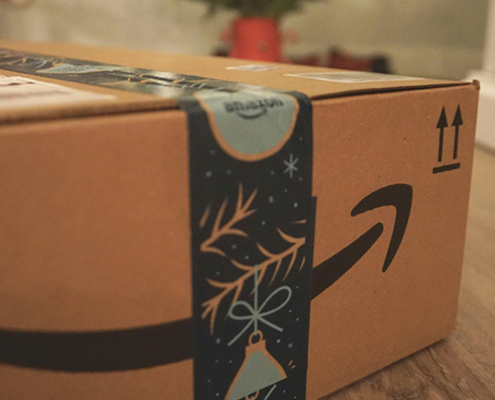 Inbound rejections cost more than the return trip. A Shenzhen-based 3C accessories seller shipped a batch of cables worth $25,000 to an Amazon fulfillment center. The outer carton labels partially covered the original barcodes, and the dunnage didn’t meet anti-breakage standards. The shipment was rejected outright – return logistics and rework fees exceeded $3,000, and the resulting delay caused the seller to miss peak season entirely, wiping out three months of net profit.
Rejected goods also can’t be listed for sale, which drags down the Inventory Performance Index (IPI), triggers storage limits, and increases fees. And rejections during Prime Day, Black Friday, or the holiday season often mean a reworked shipment arrives after demand has already cooled.
Customer complaints work differently but hit just as hard. Complaints generally fall into two categories – product authenticity and product condition – with the latter (defects, expired items, “used sold as new,” damage) accounting for over 70% of all complaint volume. Once ODR exceeds 1%, sellers lose the Buy Box, and the account becomes a candidate for deactivation. Amazon’s A10 ranking algorithm also weights ratings heavily, so a flood of complaints tanks organic visibility at the same time it’s damaging reviews.
A Guangzhou home goods seller skipped inspection and shipped a batch of kitchen knives. 15% had loose handles. The resulting returns pushed ODR to 2.3%, triggering a listing suspension. After implementing pre-shipment inspection on subsequent orders, the same seller caught equivalent defects before shipment, cutting the return rate by 90% and restoring account health.
The Cost Math Behind Inspection
There’s a persistent misconception that inspection is expensive. Set against the cost of failure, it’s almost negligible.
A standard Final Random Inspection typically costs $200–$300. A rejected shipment can cost $10,000 or more in logistics and rework. A suspended listing costs thousands in lost daily revenue for every day it stays down. Spending a few hundred dollars to protect a $50,000 shipment isn’t caution – it’s basic business arithmetic.
There’s a secondary benefit too: consistent inspection data gives sellers objective leverage when negotiating with suppliers. A pattern of documented quality inconsistencies is a much stronger negotiating position than a verbal complaint.
Building Your FBA Inspection Checklist Into a Process
Understanding the checklist is step one. Executing it well is step two – and that requires a deliberate process, not an ad hoc booking the week before a shipment.
Step 1: Selecting the Right Inspection Partner
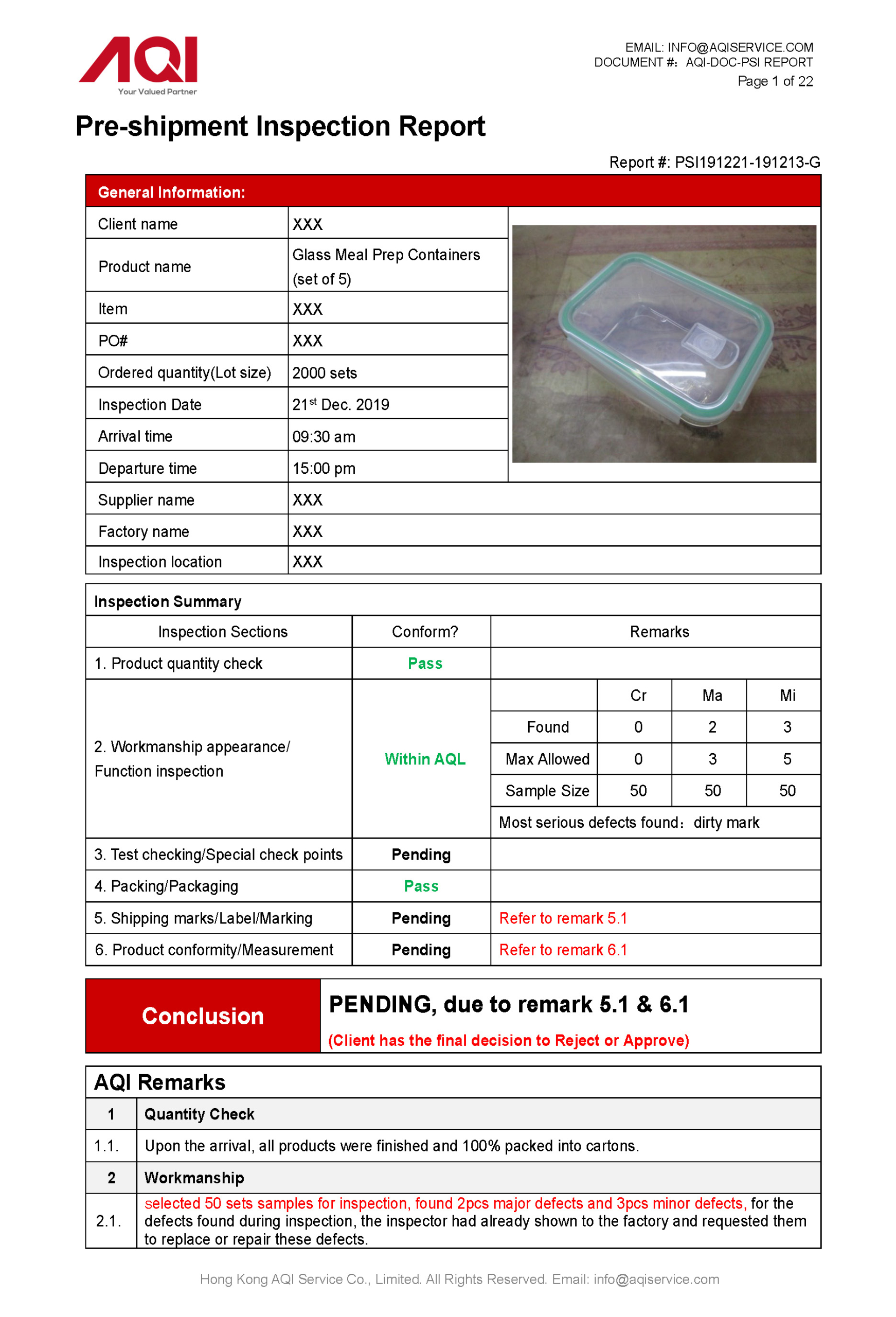
Not all inspection companies bring the same level of rigor. To avoid superficial “drive-by” inspections, evaluate potential partners on:
- Accreditation and reputation – look for agencies with ISO 9001 certification or CNAS accreditation. Check references and avoid providers selected purely on lowest price.
- Category expertise – inspecting a lithium battery requires different technical knowledge than inspecting a dress. Confirm the team understands your product category’s specific compliance needs: UN38.3 for batteries, Prop 65 for California, food contact safety testing for kitchenware.
- Booking flexibility and order tracking – especially during peak season, you need to book on short notice and track status without back-and-forth emails.
- Report integrity – the report should include detailed defect photos, video evidence of functional tests, and clear AQL result breakdowns, not just a pass/fail summary.
Step 2: Running the Inspection
- Define your FBA inspection checklist against a golden sample. Provide a clear specification sheet covering allowable color variance, size tolerances, and functional requirements. Without explicit standards, an inspector has no objective basis to fail a borderline unit.
- Book early. Schedule at least one week before your target shipment date, and confirm goods are fully produced and at least 80% packed before the inspector arrives.
- Let the on-site inspection run its course. The inspector pulls samples based on AQL standards appropriate to your order size and runs visual, functional, and packaging tests against your checklist.
- Review the report before authorizing shipment. Reports typically arrive within 24 hours. Don’t authorize shipment until you’ve reviewed the findings – if the inspection fails, require supplier rework first.
- Verify rework with re-inspection. Never take a supplier’s word that a problem has been fixed.
Common Mistakes That Undermine an Inspection Strategy
- The “silver bullet” fallacy. Inspection detects defects – it doesn’t fix the root cause. You still need to actively manage the supplier relationship and follow up on recurring issues.
- The price war trap. A $100 inspection often produces a drive-by check where inspectors barely examine the goods, or where a factory has enough commercial leverage to influence the outcome. Pay for professional man-days, not the cheapest quote.
- Vague instructions. Telling an inspector to “check quality” gives them nothing actionable. “Check that the gap between part A and part B is less than 1mm” is a usable instruction; “check quality” is not.
- Skipping inspection on reorders. “I’ve worked with this factory for years – they’re fine” is exactly the assumption that lets quality fade go undetected. Maintain random checks even on trusted relationships.
- Ignoring small orders. A small shipment can still generate enough negative reviews to damage a listing. Adjust your sampling size for order volume, but don’t skip inspection entirely.
Frequently Asked Questions
- #1 How often should I run this Amazon FBA Inspection Checklist?
Every shipment, at minimum with a Final Random Inspection before goods leave the factory. New suppliers or new product lines warrant additional checkpoints earlier in production.
- #2 Can I use an FBA Inspection checklist myself, or do I need a third-party inspector?
You can use it as a briefing document for your own team if you have staff near the factory. Most sellers use a third-party inspector because factory internal QC has a structural conflict of interest – it’s incentivized to ship fast, not to flag problems that delay shipment.
- #3 What’s the difference between this and a standard Pre-Shipment Inspection?
A standard PSI checks that goods match your specifications. This checklist adds Amazon-specific items – FNSKU, poly bag compliance, carton size tiers – that a generic PSI checklist may not include unless you request them explicitly.
The Long-Term Case for a Structured Inspection Program
The era of easy margins on Amazon FBA is over. The market now rewards professionalism, precision, and consistency – and inbound rejections and customer complaints, while largely preventable, remain two of the most common ways sellers undermine their own progress.
A structured Amazon FBA inspection checklist bridges the gap between what you’ve promised customers and what’s actually coming off the factory line. It shifts your operation from reacting to fires to proactively managing risk – protecting inventory turnover, safeguarding ODR, and building a reputation that holds up under competitive pressure.
AQI Service provides Amazon FBA inspection services for sellers sourcing from China and across Asia, covering labeling compliance, packaging integrity, functional testing, and AQL-based quality verification before goods ship to fulfillment centers.