Container Loading Supervision in India & Pakistan: What Global Importers Need to Know in 2026
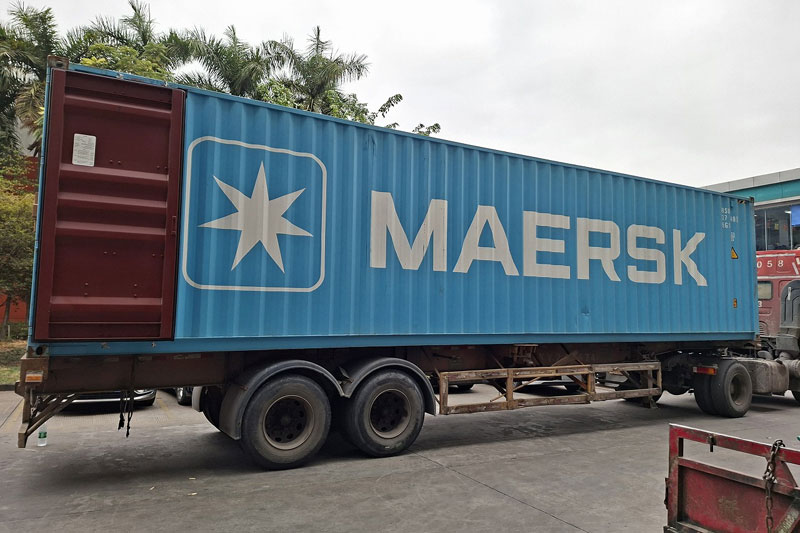
Container loading supervision (CLS) is one of the most consistently underestimated steps in international trade. Importers spend months on product development, negotiate hard on price, arrange pre-shipment inspections – and then leave the final loading process entirely in the supplier’s hands.
That’s where things go wrong. And in India and Pakistan specifically, the loading phase carries risks that don’t show up in a factory audit or a quality inspection report.
This guide covers what container loading supervision in India and Pakistan actually involves, what’s unique about the India and Pakistan sourcing environment, and how to structure the process so you’re not finding problems after the container arrives at Felixstowe or Long Beach.
What Container Loading Supervision Actually Is (And What It Isn’t)
Container loading supervision – sometimes called Container Loading Inspection, or CLI – is a service where an independent third-party inspector is present at the factory or forwarder’s warehouse during the physical loading of goods into a shipping container.
The inspector’s job is to verify the correct products are loaded in the correct quantity, that packaging is intact, that the container itself is in acceptable condition, and that the loading process doesn’t create damage that wasn’t there before.
It’s important to be clear about what CLS is not. It’s not a substitute for a pre-shipment inspection (PSI). The quality spot-check performed during container loading involves randomly opening a few cartons to verify product specifications and packing methods – it’s not based on AQL sampling standards, and it doesn’t replace the systematic quality evaluation that a PSI provides. CLS typically takes place after a PSI has already been completed. Its purpose is to confirm that what gets loaded into the container matches what was approved.
Why the Loading Phase Is a Real Risk in India and Pakistan
In most industrial clusters across India and Pakistan, the pressure to meet shipping cutoffs is significant. When a vessel is waiting at Mundra, JNPT, or Karachi, the factory’s priority at the loading dock shifts quickly from careful handling to getting the container sealed and on the truck.
Without an independent inspector present, several problems become common:
Quantity discrepancies
Short shipments – where fewer cartons than invoiced actually make it into the container – are one of the most frequently disputed issues in South Asian trade. Sometimes it’s a loading error. Sometimes it’s not. Either way, discovering the problem after the container arrives at destination means weeks of back-and-forth with a supplier who has already been paid.
Container condition issues
Not every container presented at a factory is sea-worthy. Rust, pinhole leaks, residual moisture from previous cargo, and damaged door gaskets are common. A container that looks acceptable from the outside can expose textiles, electronics, or food products to humidity and mold during a three-to-five-week ocean transit.
Improper stacking
A container is not a static environment. It goes through crane handling at the port, road transport to the vessel, and significant movement during the sea journey. Cartons stacked incorrectly – wrong orientation, excessive height, no bracing – arrive damaged. The goods may have passed every quality check at the factory, but if they’re loaded poorly, they don’t arrive in the condition they left.
Documentation mismatches
The wrong product, the wrong SKU, or packaging that doesn’t match the packing list – these get caught during loading supervision when an inspector is comparing the actual goods against shipping documents in real time.
The AQI SERVICE Container Loading Supervision Process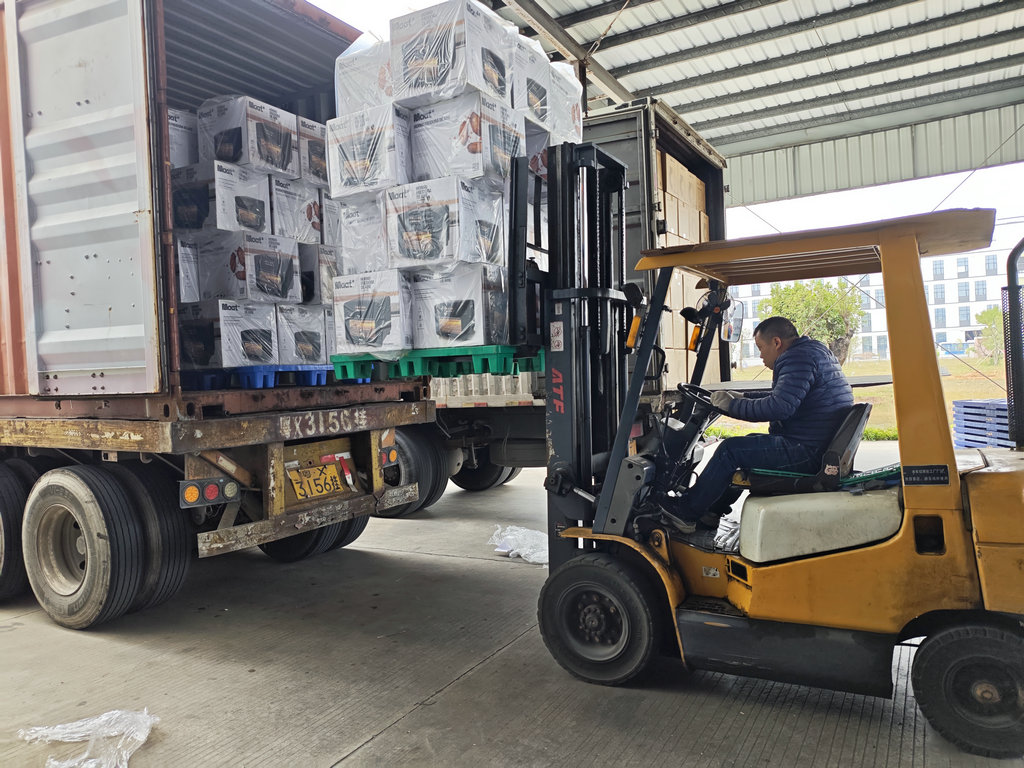
Our CLS process follows a structured 10-step procedure designed to cover every stage of the loading process, from the moment the container arrives at the factory gate to the final seal.
Step 1 – Communication with factory
Before loading begins, our inspector meets with the factory representative to walk through the loading procedure, confirm the documentation required, and establish expectations for the day.
Step 2 – Recording arrival details
Weather conditions, the time the container arrives, the container number, and the truck number are all recorded at the start. In regions like southern India during monsoon season, weather conditions at loading time are directly relevant to how the container should be prepared.
Step 3 – Container inspection
The inspector examines the container inside and out before a single carton is loaded. This includes checking for structural damage, perforations, internal moisture, unusual odors (a container that previously carried chemicals or agricultural products can contaminate a subsequent food or textile shipment), and the condition of the door gaskets and locking mechanisms.
Step 4 – Goods recording and packaging check
As goods are brought out for loading, the inspector records quantities and checks the condition of outer packaging – master cartons, pallets, and wrapping. Damaged packaging at this stage is flagged before it goes into the container.
Step 5 – Product verification
Product information and quantities are verified against the packing list and shipping documents. This is where SKU mismatches and quantity shortfalls are caught.
Step 6 – Sample carton inspection
A random selection of cartons is opened to verify that contents match customer specifications. This is a spot-check, not a full AQL-based inspection – the purpose is to catch obvious substitutions or discrepancies, not to replace a pre-shipment quality evaluation.
Step 7 – Loading supervision
The inspector oversees the physical loading process: stacking orientation, weight distribution, use of dunnage or bracing materials where needed, and space utilization. The goal is to minimize movement during transit and prevent damage from poor loading technique.
Step 8 – Container sealing
Once loading is complete, the container is sealed with the customs seal. AQI SERVICE applies an additional AQI inspection seal as a secondary security measure. The seal number is recorded with a photograph.
Step 9 – Record keeping
Seal numbers, departure time, and container details are recorded for the logistics record. This documentation becomes important if there’s any dispute about what was in the container and when it was sealed.
Step 10 – Report issuance
A loading report is issued with a pass or fail outcome, pending the client’s decision. The report includes photographs of every stage: the empty container inspection, goods being loaded, carton-level checks, and the sealed container with visible seal number. Every step is documented with photos.
Regional Considerations: India
India’s manufacturing geography means that container loading doesn’t always happen at a single, straightforward factory location.
Inland Container Depots (ICDs) A significant portion of India’s export goods originate in landlocked states – Punjab, Haryana, Rajasthan, Uttar Pradesh – and are loaded at Inland Container Depots before being transported by rail to coastal ports like JNPT (Nhava Sheva) or Mundra. CLS at an ICD needs to account for the rail journey: bracing standards that are adequate for road transport may not be sufficient for the additional movement a container experiences on a multi-day rail transit.
Monsoon season In manufacturing hubs like Tirupur, Coimbatore, and Chennai, the southwest monsoon (June through September) creates real humidity and moisture risks. Loading a container outdoors during rain, or into a container with residual floor moisture, can cause mold damage to textiles and corrosion on metal goods well before the vessel reaches port. Our inspectors in these regions pay particular attention to container floor condition and internal moisture levels, and will require the use of desiccants where conditions warrant.
Port congestion at JNPT and Mundra Heavy port traffic sometimes means containers are staged outdoors at the factory or a logistics yard for longer than planned before pickup. This extends exposure time and is a factor our supervisors track.
Regional Considerations: Pakistan
Pakistan’s export sector is concentrated in a few key industrial clusters, each with its own logistics profile.
Karachi and the Port of Qasim Most Pakistani exports move through Karachi. The city’s traffic and port logistics can create timing pressure that pushes factories to rush the loading process. An independent supervisor on-site provides accountability that the factory’s own loading team often can’t provide when they’re under pressure to make a cut-off.
Sialkot Sialkot is a globally significant production hub for surgical instruments, sports goods, and leather products. These are relatively high-value, compact goods – which creates a different risk profile from bulk textile shipments. The concern here is less about structural loading damage and more about accurate quantity verification and seal integrity from factory gate to Port of Qasim.
Agricultural and food exports from Punjab For Basmati rice, spices, and other food products, container hygiene is the primary concern. A container that previously carried chemicals, scrap metal, or other non-food cargo must be confirmed clean, dry, and free of pest evidence before food products are loaded. This is a non-negotiable check in our process for food-grade shipments.
The Documentation That Matters When Something Goes Wrong
If goods arrive damaged or short, the first question from your insurance provider or freight forwarder will be: what evidence do you have of the condition at loading?
A Bill of Lading marked “Shipper’s Load and Count” means the carrier is typically not liable for internal cargo condition – they only acknowledged the sealed container, not what’s inside it. A professional CLS report changes that equation. It provides documented evidence – with timestamped photographs – of the container’s condition before loading, the quantity loaded, and the seal number at departure.
This documentation has practical value in insurance claims, supplier disputes, and customs processes. It’s also increasingly expected by freight forwarders and logistics companies, which is why a significant portion of AQI SERVICE’s CLS work comes through long-term logistics company partnerships rather than direct importer relationships.
How to Get the Most Out of a Container Loading Supervision Service
A few practical points for importers arranging CLS for the first time:
Book at least 48 hours in advance.
Factory loading schedules in Mumbai, Karachi, Lahore, and Delhi can shift on short notice, and qualified supervisors need adequate time to arrange site access and travel. Last-minute bookings in high-volume periods – particularly pre-Chinese New Year or ahead of major retail seasons – can result in delays.
Provide specific handling instructions in your brief.
If your goods have stacking restrictions, fragility considerations, or specific labeling requirements that need to be verified, include them in the CLS brief. A generic loading supervision without product-specific context produces a generic result.
Sequence CLS correctly relative to your PSI.
Container loading supervision is designed to follow a pre-shipment inspection, not replace it. If you’re only doing one inspection, a PSI gives you more comprehensive quality data. CLS confirms the final loading – it’s the last check in a sequence, not a standalone quality solution.
Consider tying final payment to the CLS outcome.
Structuring supplier payment terms so that the final installment (typically 20–30%) is released after a satisfactory CLS report significantly improves factory cooperation with the supervisor on-site. Suppliers who know payment is contingent on the loading outcome tend to be considerably more attentive to the process.
Working With AQI SERVICE for CLS in India and Pakistan
AQI SERVICE provides container loading supervision at factory and forwarder locations across India and Pakistan, with report delivery following the completion of loading. Our inspectors are locally based, familiar with the logistics environments at key ports, and work to a standardized process that produces consistent, photographically documented reports.
CLS is frequently booked in combination with our pre-shipment inspection service – contact us to discuss how to sequence inspections for your specific shipment and product category.
To request a quote or arrange a service, visit aqiservice.com.
AQI SERVICE is an independent third-party inspection company. We are not affiliated with Amazon.com, Inc., or any carrier or freight forwarding company.