Common Fabric Faults and Defects Which May Cause Third Party Inspection Failed

Fabric defects can derail entire production runs, leading to rejected shipments, costly rework, and damaged supplier relationships. Whether you’re inspecting woven fabrics, knits, or printed textiles, understanding common defects – and their root causes – is essential for maintaining quality standards.
This guide covers 20+ frequently encountered fabric faults found during garment quality control inspections, organized by category for quick reference.
4 Common Fabric Faults and Defects
- Surface and Structural Defects
- Weaving and Knitting Defects
- Dyeing and Printing Defects
- Yarn-Related Defects

A. Surface and Structural Defects
These defects affect the fabric’s appearance and integrity, often visible during visual inspection.
1.1 Abrasion Mark
Description: An area where fabric surface has been damaged by friction or abnormal handling during transportation or processing.
Causes:
- Rough handling during fabric rolls transfer
- Contact with sharp edges on machinery
- Improper storage conditions
Impact: Weakened fabric structure, visible surface damage that cannot be hidden in finished garments.
1.2 Crease Mark
Description: A permanent line or fold across fabric width caused by sharp creasing.
Causes:
- Improper folding during storage
- Excessive pressure during transportation
- Inadequate fabric relaxation before processing
Prevention: Store fabric rolls vertically, use proper padding during shipping, allow relaxation time before cutting.
1.3 Calendar Mark
Description: Strong press marks on fabric surface from calendaring rollers during finishing treatment.
Causes:
- Excessive roller pressure
- Uneven roller temperature
- Damaged or dirty calendar rollers
Impact: Permanent shiny lines or impressions that remain visible after garment construction.
1.4 Holes
Description: Small openings or punctures in fabric.
Common Causes:
- Defective or damaged needles (knit fabrics)
- Excessive yarn tension during knitting
- Take-down mechanism set too tightly
- Poorly tied knots creating weak points
- Insect damage during storage
Critical Note: Holes are major defects that typically result in fabric rejection during quality control inspection.
B. Weaving and Knitting Defects
These defects originate during fabric construction on weaving looms or knitting machines.
2.1 Barre (Horizontal Stripes)
Description: Unintended horizontal bands or stripes running across fabric width.
Root Causes:
- Uneven yarn tension during knitting
- Inconsistent yarn quality between different lots
- Defective stitch cam adjustment
- Variations in yarn feed mechanisms
Detection: Most visible in solid-colored fabrics under proper lighting conditions.
2.2 Double Pick
Description: Two weft yarns running simultaneously in the same shed, creating a thick line.
Causes:
- Loom timing issues
- Defective shuttle mechanism
- Operator error during weaving
2.3 Mispick
Description: Weft yarn not properly interlaced with warp yarns.
Causes:
- Incorrect loom settings
- Damaged or misaligned heddles
- Irregular warp tension
2.4 Drop Stitches
Description: Missing stitches in knitted fabric creating visible holes or runs.
Common Causes:
- Loose take-down mechanism settings
- Defective or bent needles
- Excessive thread tension
- Poor needle-to-yarn synchronization timing
Impact: Creates structural weakness and visible defects that worsen with wear.
2.5 Loop Distortion
Description: Irregularly shaped knit loops causing uneven fabric appearance.
Contributing Factors:
- Bent or damaged needles
- Uneven yarn tension
- Incorrect needle timing settings
- Improper yarn guide positioning
2.6 Vertical Lines
Description: Continuous lines running lengthwise along the fabric.
Causes:
- Dirty or damaged needles
- Needles set too loose or tight in needle slots
- Insufficient needle lubrication
- Accumulated lint in needle grooves
C. Dyeing and Printing Defects
These defects occur during wet processing stages.
3.1 Dye Stain
Description: Localized areas of color variation or discoloration due to uneven dye absorption.
Causes:
- Uneven dye bath circulation
- Contamination in dyeing equipment
- Inconsistent fabric preparation (scouring/bleaching)
- Temperature variations during dyeing
Prevention: Regular equipment cleaning, proper fabric preparation, controlled dyeing parameters.
3.2 Misprint
Description: Printed design that is suspended, interrupted, or incorrectly positioned.
Common Issues:
- Design elements not aligned between color passes
- Partial print coverage
- Print off-registration
Causes:
- Screen printing equipment misalignment
- Inconsistent fabric feed speed
- Damaged printing screens
- Improper fabric tension during printing
3.3 Screen Out
Description: A visible line showing color separation in printed designs.
Causes:
- Blocked screen mesh openings
- Uneven squeegee pressure
- Dried ink on printing screens
D. Yarn-Related Defects
These defects originate from yarn quality issues before fabric construction.
4.1 Slub
Description: Thick, uneven sections in yarn creating bumps in fabric.
Causes:
- Broken filaments pushed along during spinning
- Excessive fiber accumulation during yarn production
- Poor splicing or knotting
Visual Impact: Creates unintended textural variations, especially noticeable in smooth fabrics.
4.2 Flamed Yarn
Description: Yarn with abrupt thick sections resembling flames.
Causes:
- Spinning machine malfunction
- Uneven fiber drafting
- Fiber contamination during spinning
Note: Some fabrics intentionally use slub or flamed yarns for texture – inspect against approved samples.
4.3 Contamination
Description: Foreign colored fibers mixed with base yarn in warp or weft.
Common Sources:
- Mixed fiber batches during spinning
- Cross-contamination in processing equipment
- Recycled fiber content without proper sorting
Impact: Visible colored specks or streaks, especially problematic in light-colored fabrics.
4.4 Soiled Yarn
Description: Yarn contaminated with dirt or oil during handling.
Causes:
- Dirty hands during cone handling or knotting
- Contaminated work surfaces
- Improper storage conditions
- Oil leakage from machinery
How Yarn Properties Directly Affect Fabric Quality
Understanding the relationship between yarn characteristics and fabric defects helps identify root causes during inspection.
a. Low Yarn Strength
Defects Caused:
- Holes from yarn breakage during knitting/weaving
- Cracks in finished fabric
- Poor fabric durability
Quality Control Focus: Conduct yarn tensile strength testing before production, especially for high-stress applications.
b. Excessive Yarn Hairiness
Defects Caused:
- Diffused, fuzzy stitch appearance
- Lint and fluff build-up on machinery
- Pilling in finished garments
Prevention: Specify appropriate yarn twist levels, use anti-pilling finishes when necessary.
c. Long-Period Yarn Unevenness
Defects Caused:
- Horizontal stripes (barre effect)
- Uneven fabric appearance
- Inconsistent fabric weight
Detection Method: Use yarn evenness testing (CV% measurement) before fabric production. Acceptable CV% varies by yarn type – finer yarns typically show higher variation.
Fabric Defect Prevention Strategies
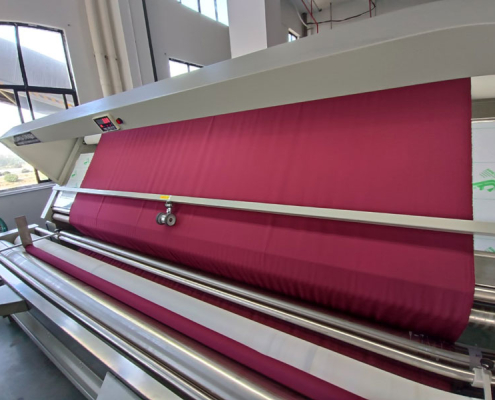
4 Points Fabric inspection
During Yarn Selection
- Request yarn quality certificates including strength, evenness, and hairiness data
- Conduct incoming yarn inspection for critical parameters
- Use yarn from consistent lot numbers for each production run
During Fabric Production
- Regular machine maintenance and needle inspection
- Consistent monitoring of tension settings
- Clean machinery regularly to prevent contamination
- Train operators to identify and mark defects immediately
During Finishing and Dyeing
- Standardize process parameters (temperature, time, chemical concentrations)
- Regular equipment calibration
- Proper fabric preparation before wet processing
- Quality checks between each processing stage
During Inspection
- Use proper lighting (standard D65 illumination recommended)
- Inspect fabric at consistent speed and tension
- Reference approved samples for borderline defects
- Document defect type, location, and frequency using standardized systems (4-point system or 10-point grading)
Frequently Asked Questions
A. What’s the difference between major and minor fabric defects?
- Major defects significantly impact garment appearance or performance – holes, large dye stains, severe mispicks. These typically result in fabric rejection.
- Minor defects are small imperfections with limited impact – single slubs, small knots, slight color variation. Acceptance depends on defect frequency and end-use requirements.
Most inspection standards define specific criteria for each defect category.
B. How many defects are acceptable in fabric inspection?
Acceptance criteria vary by:
- Fabric grade: Premium fabrics have stricter limits than economy grades
- End use: Visible areas (garment fronts) vs. hidden areas (linings)
- Inspection system: 4-point system typically accepts fabric with ≤28 points per 100 square yards; 10-point system has different thresholds
Always reference your specific quality standard or buyer requirements.
C. Can fabric defects be repaired?
Some defects allow repair:
- Small holes: May be rewoven or stitched if in non-visible areas
- Loose threads: Can be trimmed or secured
- Minor stains: Sometimes removed with spot cleaning
Non-repairable defects include:
- Large holes or tears
- Severe color variation
- Structural defects like barre or mispicks
Defective sections are typically cut out, reducing usable fabric yield.
D. When should fabric inspection occur?
Optimal inspection points:
- Upon receipt: Before fabric acceptance from supplier
- Before cutting: Final check before garment production begins
- During production: Random checks to catch emerging issues
Early detection prevents cutting defective fabric, which avoids wasted labor and materials.
E. How does fabric defect inspection differ between woven and knit fabrics?
Woven fabric inspection focuses on:
- Weaving faults (mispicks, double picks, warp/weft breaks)
- Yarn count and density accuracy
- Pattern alignment
Knit fabric inspection emphasizes:
- Loop formation quality (drop stitches, loop distortion)
- Courses and wales consistency
- Fabric stretch and recovery
- Run resistance
Knit fabrics generally require more careful handling during inspection due to their stretchable nature.
F. What lighting conditions are best for fabric inspection?
Standard conditions:
- Light source: D65 daylight illumination (6500K color temperature)
- Intensity: 1,000-1,500 lux at inspection surface
- Background: Neutral gray or white backdrop
Proper lighting reveals subtle defects like slight color variation, thin places, and surface irregularities that might be missed under poor lighting.
Professional Fabric Inspection Services
Effective fabric quality control requires trained inspectors, proper equipment, and systematic defect classification. Early detection of fabric faults prevents costly production disruptions and ensures finished garments meet quality standards.
AQI SERVICE provides comprehensive textile and garment inspection services throughout China and Asia. Our experienced inspectors identify fabric defects using internationally recognized standards (4-point, 10-point, or customized systems), providing detailed reports with defect mapping and acceptance recommendations.
Our fabric inspection services include:
- Incoming fabric inspection before production
- In-process quality monitoring during garment manufacturing
- Pre-shipment final random inspection (FRI)
- Laboratory testing for fabric properties (strength, colorfastness, shrinkage)
Whether you’re sourcing knit fabrics, woven textiles, or technical materials, we ensure your fabric meets specifications before it reaches the cutting table.
Related Resources:
- Knit Fabric Defects: Detailed Causes and Remedies (internal link)
- Garment Quality Control Inspection Guide (internal link)
- Textile Testing Standards in China (internal link)
- 4-Point vs 10-Point Fabric Inspection Systems (internal link)
External Resources:
- ASTM D5430: Standard Test Methods for Visually Inspecting and Grading Fabrics (external link)
- AATCC Technical Manual (external link)
About the Author:
This guide is published by AQI SERVICE, a professional quality control company specializing in textile and garment inspection services across China and Asia. We help global importers, buyers, retailers, and brands maintain quality standards through comprehensive inspection, testing, and certification services.
Contact us today to discuss your fabric inspection requirements and learn how we can protect your quality standards from raw material to finished goods.