
Environmental Audit
Perform audits in Asia, within 48H, based on your requirements and international standards.
 HK Tax ID: 62765141
  Operation in China & South of Asia
  ISO 9001:2015 Certificated
Perform audits in Asia, within 48H, based on your requirements and international standards.
Customers, communities, and governments around the world are becoming more concerned about environmental issues like climate change and pollution. This has put pressure on businesses to reduce their environmental impact and adopt sustainable practices.
Environmental audit is a crucial tool for businesses aiming to meet environmental goals. They help organizations identify issues, manage risks, and find opportunities to improve energy use, cut down waste, and reduce pollution. Through audits, businesses not only contribute to a healthier planet but can also improve their operational efficiency and save costs.

An environmental audit is essentially a way to monitor and evaluate your company’s environmental practices. It’s a structured, step-by-step review of your operations to ensure they meet environmental standards. Beyond simply checking for compliance, environmental audits can also uncover potential problems and future risks, offering solutions to prevent these from becoming bigger issues.
Instead of waiting for environmental problems to arise—like pollution or non-compliance with laws—audit processes identify risks early and allow businesses to take action. For example, environmental audits related to technological innovations often emphasize eco-friendly designs, focusing on reducing waste and finding sustainable ways to use resources.
An environmental compliance audit checks whether your business is following environmental rules and regulations. It reviews your operations, waste management, emissions, and permits to assess compliance. (Learn about Environmental Regulations by the U.S. Environmental Protection Agency (EPA))
Why It Matters:
This type of audit evaluates how effective your organization’s environmental management system is. For example, if your company is certified under ISO 14001, this audit will assess whether your management system meets the required standards and drives continuous improvement.
Why It Matters:
A functional environmental audit looks at the practices of specific departments or areas, such as production, procurement, or employee training programs.
Why It Matters:
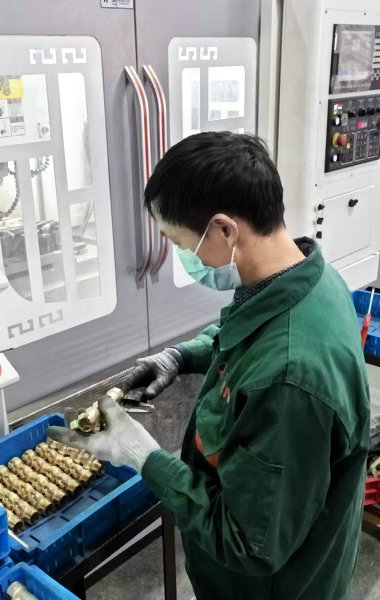
Start by determining exactly what aspects of your operations will be audited. Do you want to focus on legal compliance, your sustainability initiatives, resource usage, waste management, or all of the above? Clearly defining these objectives will keep the audit focused and purposeful, allowing your team to assess what really matters.
Ensure that the audit team includes experts who thoroughly understand not only your industry but also environmental standards and regulations. External consultants or third-party auditors can bring an unbiased perspective and specialized knowledge that may be lacking internally.
Gather all relevant documents, such as records on waste management, emissions data, energy consumption reports, and prior compliance certifications. This is also a chance to check whether past records are complete, up to date, and easily accessible.
A well-organized plan is key to the audit’s efficiency. Develop a roadmap outlining what will be done, when, and by whom. Allow flexibility for unanticipated findings or adjustments during the audit. Scheduling is especially important if the audit affects day-to-day operations.
Site visits are crucial to ensure that operational practices reflect what is documented on paper. During inspections, auditors should observe processes firsthand, interview staff, and assess facilities for compliance and sustainability. Make note of areas that deviate from documented policies or legal standards.
After gathering data, compare the findings to pre-defined benchmarks, local laws, and company standards. Examine trends over time to understand whether your organization’s environmental footprint is improving or worsening. Use analytical tools if necessary to identify patterns and inconsistencies.
Pay special attention to areas of high risk, such as processes prone to environmental harm. Identify gaps that may not only lead to non-compliance but also cause inefficiencies or financial losses. Look for opportunities, such as adopting greener technologies or reducing waste further.
Using the data collected, create a clear and concise report. Highlight both strengths and weaknesses, detailing areas where your business is excelling and where improvements are urgently needed. Include photos, charts, and measurable statistics to make the findings credible and easy to understand.
Share the audit report with leadership and other relevant teams within your organization. Transparency is key—make sure everyone understands the implications of the findings and the importance of proposed changes.
Focus first on high-priority improvements, like rectifying non-compliance issues. Launch specific action plans for medium and long-term goals, such as upgrading facilities with energy-efficient equipment or revising waste management policies.
A one-time audit is not enough to ensure lasting change. Schedule follow-up audits or progress reviews every few months, focusing on whether the implemented measures are effective. This step helps embed sustainable practices into your business culture and workflow.
Note: By breaking down the audit process into these manageable stages, it becomes easier to turn insights into meaningful improvements for both your business and the environment.
Environmental audits help ensure that your business is in line with local laws, industry standards, and environmental regulations. Staying compliant protects your reputation and avoids unnecessary legal troubles.
By identifying inefficiencies—such as excessive resource usage or energy loss—environmental audits offer cost-saving opportunities that also benefit the environment. For example, minimizing resource waste can lead to significant savings.
Environmental audits provide essential data to develop and improve sustainability strategies within your organization. With clear insights, you can set achievable goals and measure progress in becoming more eco-friendly.
Conducting an environmental audit enables your business to assess its impact on climate change. You can use the findings to adopt environmentally responsible policies and protect against climate-related risks.
By cutting waste and optimizing energy use, businesses often see a direct financial benefit. Environmental audits often uncover easy-to-implement solutions that are both cost-effective and impactful.
Consumers care about sustainability, and a positive environmental reputation can attract customers, investors, and partners. Demonstrating responsible practices and being transparent about audits can greatly enhance credibility.
Environmental laws and regulations are always evolving. Regular audits ensure your business is one step ahead, prepared for any changes in expectations.
Environmental audits are more than just a legal checkbox—they’re an opportunity to grow responsibly, improve practices, and pave the way for a greener future. By taking control of your environmental impact now, your business not only contributes to a sustainable world but also strengthens its bottom line.
Knowledge of China Inspection, Asia Inspection, Inspection Standards, Product
Testing, Compliance Certification, Quality Control Solutions, etc.

Request a Quote to gain peace of mind and ensure product quality with AQI Service

Check out our quality inspection report samples for factory audit and product inspection in China & Asia.
 https://aqiservice.com/wp-content/uploads/2024/07/china-inspection-for-bridal-dresses-wedding-dresses-made-in-china-thomas-ae-601054-unsplash.com_.jpg
533
800
Jolyne Chen
https://aqiservice.com/wp-content/uploads/2024/02/newlogo3.png
Jolyne Chen2026-09-21 20:40:352026-09-21 12:38:03Wedding Dress Quality Inspection: What Importers Should Check Before Shipment
https://aqiservice.com/wp-content/uploads/2024/07/china-inspection-for-bridal-dresses-wedding-dresses-made-in-china-thomas-ae-601054-unsplash.com_.jpg
533
800
Jolyne Chen
https://aqiservice.com/wp-content/uploads/2024/02/newlogo3.png
Jolyne Chen2026-09-21 20:40:352026-09-21 12:38:03Wedding Dress Quality Inspection: What Importers Should Check Before Shipment https://aqiservice.com/wp-content/uploads/2026/08/AI-visual-inspection-system-on-production-line.jpg
600
800
Jolyne Chen
https://aqiservice.com/wp-content/uploads/2024/02/newlogo3.png
Jolyne Chen2026-08-19 11:39:402026-08-19 11:39:40AI Visual Inspection: Why It Still Can’t Replace Human Inspectors in Quality Control
https://aqiservice.com/wp-content/uploads/2026/08/AI-visual-inspection-system-on-production-line.jpg
600
800
Jolyne Chen
https://aqiservice.com/wp-content/uploads/2024/02/newlogo3.png
Jolyne Chen2026-08-19 11:39:402026-08-19 11:39:40AI Visual Inspection: Why It Still Can’t Replace Human Inspectors in Quality Control https://aqiservice.com/wp-content/uploads/2024/08/furniture-inspection-in-China.jpg
533
800
Francis Song
https://aqiservice.com/wp-content/uploads/2024/02/newlogo3.png
Francis Song2026-08-12 10:12:212026-08-11 12:17:07Furniture Quality Inspection From Raw Material to Final Shipment: A Complete Guide
https://aqiservice.com/wp-content/uploads/2024/08/furniture-inspection-in-China.jpg
533
800
Francis Song
https://aqiservice.com/wp-content/uploads/2024/02/newlogo3.png
Francis Song2026-08-12 10:12:212026-08-11 12:17:07Furniture Quality Inspection From Raw Material to Final Shipment: A Complete Guide