


Hotel Furniture Inspection: A Comprehensive Guide for Quality Assurance

The Importance of Hotel Furniture Inspection
Hotel furniture is more than just a functional element in hospitality spaces—it directly impacts guest experience, brand perception, and long-term operational costs. For hoteliers, investing in high-quality furniture is only half the battle; thorough the quality inspection ensures that every piece meets the expected standards before it reaches guests’ rooms, lobbies, or dining areas.
A single defective piece of furniture – whether a wobbly chair, a scratched desk, or a malfunctioning drawer—can lead to negative guest reviews, reduced customer loyalty, and even safety hazards. In the competitive hospitality industry, where guests often share their experiences on platforms like TripAdvisor or Google Reviews, maintaining consistent furniture quality through regular hotel furniture inspection is non-negotiable.
Additionally, effective inspection helps hoteliers avoid unnecessary expenses. Catching defects early (e.g., during delivery or installation) prevents the need for costly rework, replacements, or emergency repairs later. It also ensures compliance with industry regulations, such as safety standards for furniture stability and fire resistance, which are critical for avoiding legal penalties and protecting guests.
Preparations for Hotel Furniture Inspection
Before starting any furniture inspection, proper preparation is key to ensuring accuracy, efficiency, and consistency. This phase lays the groundwork for a structured process that leaves no room for oversight.
A. Define Clear Inspection Standards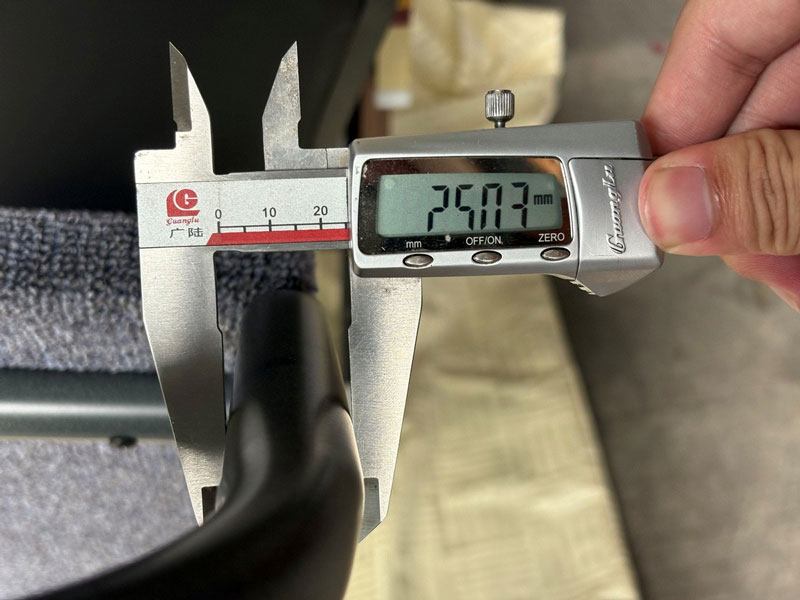
The inspection cannot be subjective—clear, measurable standards are essential. These standards should cover four core areas: appearance, structure, materials, and functionality.
-
Appearance Standards:
Specify acceptable tolerances for scratches, stains, discoloration, or uneven finishes. For example, a standard might state that “no single scratch longer than 2mm is allowed on visible surfaces of wooden desks.”
-
Structure Standards:
Outline requirements for stability and durability. This includes checking that chair legs are properly secured, table frames can support specified weight limits (e.g., 50kg for dining tables), and cabinet hinges are aligned.
-
Material Standards:
Verify that materials match the agreed-upon specifications. For instance, if the contract specifies “solid oak for wardrobe doors,” the inspection should confirm no substitution with
particleboard. This also includes checking for harmful substances, such as low-VOC paints, to comply with environmental regulations like LEED (Leadership in Energy and Environmental Design).
-
Functionality Standards:
Test that all moving parts work smoothly. This includes opening and closing drawers without jamming, ensuring cabinet doors close fully, and verifying that adjustable shelves hold their position.
These standards should be documented in a checklist, referencing industry guidelines such as those from the American Hotel & Lodging Association (AHLA) or the International Organization for Standardization (ISO) 9001 for quality management.
B. Gather Essential Inspection Tools
Having the right tools on hand streamlines the hotel furniture inspection process and ensures precise results. Below are must-have tools and their uses:
- Tape Measure: For verifying dimensions (e.g., checking if a bed frame matches the specified 1.8m x 2m size).
- Level Tool: To assess if furniture is properly aligned (e.g., ensuring a desk surface is flat or a cabinet is mounted straight on the wall).
- Humidity Meter: Critical for wooden furniture, as excessive humidity can cause warping. It helps confirm that furniture has been stored in conditions that meet material requirements (typically 40-60% relative humidity).
- Flashlight: For inspecting hard-to-reach areas, such as the undersides of tables or the interiors of cabinets, where defects like loose screws or hidden stains might go unnoticed.
- Digital Camera/Phone: To document defects with photos or videos, which are useful for communicating issues to suppliers or keeping records for future reference.
- Calipers: For measuring thin materials (e.g., the thickness of tabletop laminates) to ensure they meet specifications.
The Step-by-Step Hotel Furniture Inspection Process

A systematic hotel furniture inspection process ensures that defects are caught at every stage—from delivery to regular use. Below is a breakdown of the key phases:
A. Delivery Inspection (Inbound Quality Check)
The first opportunity to inspect hotel furniture is when it arrives at the hotel or a storage facility. This step prevents defective items from entering the installation phase.
- Check Packaging Integrity: Inspect outer packaging for signs of damage (e.g., tears, dents, or water stains). Damaged packaging often indicates that furniture inside may have been impacted during transit.
- Verify Quantity and Labels: Cross-check the number of items against the delivery note. Ensure each piece has the correct labels (e.g., room number, furniture type) to avoid mix-ups during installation.
- Perform a Visual Inspection: Unpack a sample of items (or all items for small shipments) to check for visible defects. Look for scratches, chips, discoloration, or misaligned parts. For example, a wardrobe door that is misaligned may not close properly, so this issue should be flagged immediately.
- Document Findings: Record any defects in an inspection report, including photos and details (e.g., “Scratch on left arm of chair #105, 3mm long”). Share this report with the supplier within the agreed-upon timeframe to request replacements or repairs.
B. Installation Supervision
Even if furniture passes the delivery inspection, improper installation can lead to performance issues. Hotel furniture inspection during installation focuses on ensuring that pieces are assembled and mounted correctly.
- Check Installation Compliance: Verify that installers follow the manufacturer’s guidelines. For example, a bookshelf should be secured to the wall with the specified number of anchors to prevent tipping.
- Test Stability: After installation, test the stability of furniture. Sit on chairs to check for wobbling, apply light pressure to table edges to ensure they don’t shift, and open/close drawers multiple times to confirm smooth operation.
- Inspect Finishing Details: Look for installation-related defects, such as gaps between cabinet doors, unevenly installed handles, or paint chips caused by tools during assembly.
C. Regular Routine Inspections
Once furniture is in use, regular inspection is necessary to catch wear and tear early. This helps maintain quality over time and extends the lifespan of furniture.
- Set a Inspection Schedule: Determine how often to inspect different types of furniture. High-use items (e.g., lobby chairs, dining tables) should be inspected monthly, while low-use items (e.g., wardrobe interiors) can be checked quarterly.
- Focus on High-Impact Areas: During inspections, prioritize parts that are prone to damage. For chairs, check for loose legs or torn upholstery; for desks, inspect drawer slides and surface scratches; for beds, verify that mattress supports are intact.
- Track and Address Issues: Maintain a log of all defects found during routine inspections. Categorize issues by severity (e.g., “minor” for small scratches, “critical” for wobbly beds) and schedule repairs or replacements accordingly.
Common Hotel Furniture Defects and Solutions
Even with thorough hotel furniture inspection, some defects may still arise. Knowing how to identify and address common issues is key to maintaining quality.
A. Appearance Defects
-
Scratches and Chips:
These are common on wooden or laminate surfaces. For minor scratches, use touch-up markers that match the furniture’s finish. For deeper chips, fill the area with wood filler (for wooden furniture) or laminate repair kits before touching up the color.
-
Stains:
Upholstered furniture or fabric chair seats may develop stains from spills. Use fabric cleaners that are safe for the specific material (check the manufacturer’s instructions). For leather furniture, use leather cleaners and conditioners to remove stains and prevent cracking.
-
Discoloration:
Exposure to sunlight can cause wooden or upholstered furniture to fade. To fix this, reapply a fresh coat of paint or stain (for wooden furniture) or use fabric dye (for compatible fabrics). To prevent future discoloration, place furniture away from direct sunlight or use window treatments.
B. Structural Defects
-
Wobbly Legs/Frames:
This is often caused by loose screws or bolts. Tighten all fasteners using the appropriate tools. If screws are stripped, replace them with larger ones or use wood glue to reinforce the connection.
-
Sagging Shelves:
Overloading or weak shelf supports can cause shelves to sag. Replace damaged supports with sturdier ones (e.g., metal brackets instead of plastic) and ensure shelves are not loaded beyond their weight capacity.
-
Hinge Issues:
Cabinet or door hinges may become loose or misaligned. Tighten loose screws or adjust the hinge position to realign doors. If hinges are bent or broken, replace them with matching parts.
C. Functional Defects
-
Sticky Drawers
Drawers may jam due to misaligned slides or dirt buildup. Clean the slides with a dry cloth and apply a lubricant (e.g., beeswax or silicone spray) to reduce friction. If slides are bent, straighten them or replace them.
-
Cabinet Doors That Won’t Close
This is often caused by misaligned hinges or warped doors. Adjust the hinges to realign the door, or sand down warped edges (for wooden doors) to ensure a proper fit.
-
Broken Locks
Drawer or cabinet locks may stop working due to worn internal parts. Replace the lock with a matching one, ensuring it fits the existing hole and operates smoothly.
How to Improve Hotel Furniture Inspection Efficiency
To make the quality inspection more efficient and effective, consider adopting the following strategies:
A. Use Digital Inspection Tools
Traditional paper checklists can be time-consuming and prone to errors. Digital tools—such as inspection apps (e.g., iAuditor, Safety Culture)—allow inspectors to complete checklists on mobile devices, take photos directly in the app, and share reports instantly with stakeholders. These tools also generate analytics, such as defect frequency by furniture type, which helps identify recurring issues.
B. Train Inspection Teams
Even with clear standards and tools, untrained inspectors may miss defects. Provide regular training on the inspection best practices, including:
- How to use inspection tools correctly (e.g., calibrating a humidity meter).
- How to identify subtle defects (e.g., slight discoloration or minor misalignment).
- How to document findings accurately (e.g., taking clear photos and writing detailed notes).
Training can include workshops, online courses from platforms like LinkedIn Learning, or on-the-job mentoring from experienced inspectors.
C. Collaborate with Suppliers
Building a strong relationship with furniture suppliers can streamline the hotel furniture inspection process. Share your inspection standards with suppliers upfront, so they understand your expectations. If defects are found, work with suppliers to identify the root cause (e.g., poor manufacturing or inadequate packaging) and implement corrective actions. This collaborative approach reduces the number of defects in future shipments.
Case Analysis of Pre-Shipment Inspection for Hotel Furniture Procurement
I. Case Background
- A client planned to purchase a batch of hotel furniture, with the actual production factory in Zhongshan City, Guangdong Province, China.
- To ensure product quality, the client entrusted the third-party inspection company AQI Service to conduct a pre-shipment inspection (Report No.: PSI20250904-R2508229683) on September 4, 2025; inspectors arrived at 09:20 and left at 16:40.
- The procured furniture included 4 models (28-BQ-450, 28-BQ-MS401, 28-BQ-R113, 28-BQ-7050), with a total order quantity of 24 pieces (all completed at the time of inspection).
- Inspection standards and methods: Based on ANSI/ASQ Z1.4 (ISO2859-1), adopting a single normal sampling plan; 4 products (from 24) and 2 cartons (from 16 available) were selected as samples per the client’s required inspection level.
II. Core Inspection Results
-
Items Pending Confirmation (Result: “Pending”)
- Product quantity and packaging:
66.7% of products were packed (only 28-BQ-450 and 28-BQ-R113 fully packed, others unpacked); packaging method, quantity, and compliance with client documents remain unconfirmed.
- Workmanship, appearance and function:
4 major defects (e.g., surface scratches) and 15 minor defects (e.g., paint peeling, indentations, small surface particles) found in 4 samples (no critical defects); the factory needs 1 day for rework, followed by a second inspection.
- Shipping marks and product conformity:
No client-provided info on shipping marks/labels (compliance unjudged); no approved samples for comparison; some product dimensions inconsistent with PO (e.g., 28-BQ-450: actual L540W590mm vs. ordered L330W330mm); fabric/color samples missing for 28-BQ-MS401 and 28-BQ-450.
-
Items Passed (Result: “Pass”)
- AQI Service completed multiple core tests, all passed: 3M tape coating test, 100kg load-bearing test, assembly test, smell inspection (no strong/irritating odors), stability test (no loosening/deformation), normal function check, color contrast test, 10° slope test.
III. Summary and Recommendations
-
Summary
- The overall inspection result awaits the client’s final decision.
- Product core performance meets standards, but issues exist in workmanship appearance, dimension consistency, packaging specifications, and shipping mark compliance; the supplier needs to rectify before re-inspection.
-
Recommendations
- Require the factory to complete appearance defect rework within the specified time, and AQI Service to conduct a re-inspection to ensure qualified workmanship, appearance and function.
- Communicate with the client promptly: clarify acceptable dimension deviation range, supplement missing color/approved samples; confirm client requirements for packaging (method, quantity) and shipping mark specifications; the supplier shall rectify and accept re-inspection.
- For future procurement, specify details (product samples, color standards, packaging specs, shipping marks) in the contract in advance to reduce inspection uncertainties and ensure furniture quality.
Conclusion
Hotel furniture inspection is a critical component of maintaining quality in the hospitality industry. From defining clear standards and preparing the right tools to following a systematic inspection process, every step ensures that furniture meets guest expectations, complies with regulations, and supports long-term operational efficiency. By addressing common defects promptly and adopting efficient inspection strategies, hoteliers can protect their brand reputation and create a comfortable, safe environment for guests.
AQI SERVICE offers comprehensive hotel furniture inspection solutions, leveraging industry expertise and advanced tools to ensure every piece of furniture meets the highest standards of quality and safety. Whether you need support with delivery inspections, installation supervision, or routine checks, AQI SERVICE is committed to helping you maintain excellence in every aspect of your hospitality space.


