Outdoor Camping Equipment Inspection: A Quality Assurance Guide for Importers
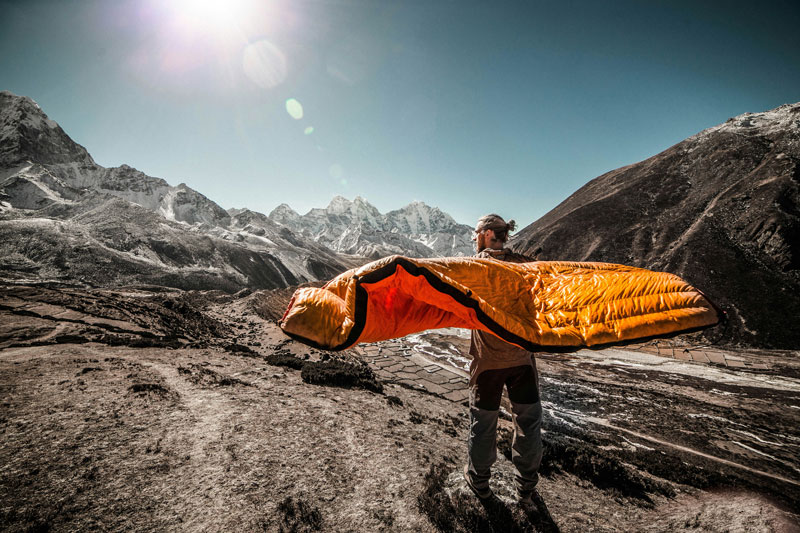
While the rapid expansion of the global camping industry offers significant revenue for B2B importers, it also heightens supply chain risks. Camping gear must endure harsh environmental conditions – severe weather, freezing temperatures, and sustained mechanical stress – that expose even minor structural flaws during real-world use. A superficial aesthetic check at the factory is entirely insufficient. Collapsed frames, severe water leakage, and insulation failures destroy brand equity and compromise user safety long after the shipment has cleared port.
To protect your investment and mitigate these vulnerabilities, establishing a rigorous pre-shipment quality gate is essential. Partnering with an independent third-party company to conduct a comprehensive outdoor camping equipment inspection ensures your suppliers deliver market-ready, high-performance gear before it reaches your customers.
Pre-Inspection Baseline
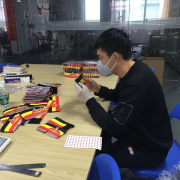
A reliable outdoor camping equipment inspection is built on meticulous on-site preparation. Skipping this phase leads to testing omissions and calibration errors. Our field inspectors execute a structured pre-inspection workflow to ensure all assessments are objective and accurate.
Specification Verification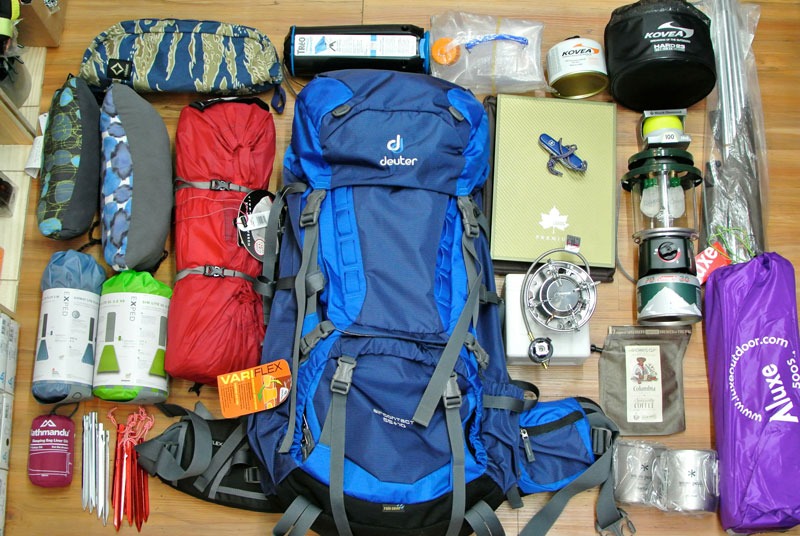
Before unboxing samples, our team correlates purchase orders, client spec sheets, and marketing claims against the actual shipment. This step establishes precise baselines before commencing the inspection:
- Tents: Occupant capacity limits, hydrostatic head ratings, fabric weights, and pole material specifications
- Sleeping Bags: Lower and comfort temperature limits, fill material type (down vs. synthetic), fill weight, and dimensional footprints
- Camping Chairs: Maximum weight capacities, tube wall thicknesses, and textile denier ratings
Specialized Tool Deployment
True performance cannot be verified by the naked eye. Our inspectors carry calibrated instruments to evaluate structural and material integrity:
- Dimensional Accuracy: Digital vernier calipers and heavy-duty steel tape measures
- Weight & Mass Compliance: Calibrated electronic scales
- Material Strength & Integrity: Counterweights for stress tests, technical sandpaper for abrasion resistance, and needle-detection sweeps
- Environmental Barriers: High-pressure watering apparatus and high-intensity industrial LED flashlights
Standardized Environmental Controls
Field evaluations take place in a wide, clean, level, and well-illuminated environment. This controlled workspace is a critical requirement for any professional outdoor camping equipment inspection – it allows full physical deployment of large equipment, prevents fabric contamination from factory debris, and ensures that subtle manufacturing anomalies remain visible.
Product-Specific Inspection Protocols
Outdoor Tents: Weatherproofing and Structural Engineering
 As a primary shelter, a tent’s structural stability directly impacts user safety. Our testing sequence balances textile assessment with mechanical stress analysis across several core areas.
Outer Packaging and Preliminary Trims Check
Our inspectors begin by evaluating transit cartons and individual carry sleeves for signs of shipping stress, puncture holes, or moisture absorption. Upon unboxing, we verify that all user documentation, assembly manuals, compliance inserts, and warranty registrations match your product specifications. We also test the carry bag’s structural seams and closure mechanisms to ensure they withstand regular transport stress.
Textile Assessment and Coating Integrity
Fabric panels are assessed for weave consistency, color shading variances, and visible yarn breaks. We use a high-intensity flashlight to scan panels for micro-perforations or thin coating spots — both common causes of field water ingress that pass undetected in standard visual checks.
For waterproofing performance, flysheet fabric should meet a minimum hydrostatic head rating of 1500mm per ISO 811, while groundsheet fabric should reach 3000mm or above to handle pooling water and ground pressure. These thresholds align with standard 3-season camping requirements; expedition-grade gear typically specifies 3000mm+ for the fly and 5000mm+ for the floor.
Seam tape integrity is evaluated separately. The polyurethane sealing tape must be fully fused to the fabric seams with zero air bubbles, channel wrinkles, or edge separation. We also measure peeling strength against ASTM D3330 to confirm the adhesive bond can withstand repeated packing cycles and temperature fluctuations — a failure point that lab-only visual checks routinely miss.
Additional textile checks include:
- Stitch & Seam Validation: Consistent stitch counts, clean thread cut-offs, no dropped or skipped stitches across all structural seams
- Abrasion & Finish Stability: Rub test on interior waterproof coatings to verify no delamination or powdering; abrasion test on corner fabrics using technical sandpaper to confirm wear-resistance compliance
Structural Framework Metrology
Tent poles form the core structural support of the shelter. Our inspection process adapts to the specific materials used:
- Fiberglass Frameworks: We check each section for surface cracks, delamination splinters, or connection issues, and verify that internal elastic shock cords maintain appropriate tension and return swiftly to shape
- Aluminum Alloy Frameworks: We use digital calipers to measure tube wall thickness and outer diameter at multiple points to confirm compliance with your technical specifications; aluminum surfaces must be free of deep scratches, oxidation pits, or structural bowing
Once assembled, we verify overall frame geometry for symmetry and even stress distribution. All protective pole tips, hubs, and pole sleeves are confirmed intact to prevent fabric tearing during setup.
Component Diagnostics: Apertures, Mesh, and Hardware
Bug mesh panels are inspected for uniform density, smooth yarn alignment, and a secure connection to the tent body. Door and window zippers are cycle-tested for smooth operation without fabric catching or tooth skipping. High-stress corner areas must feature reinforced fabric patches and heavy-duty box-stitching rated for sudden wind loads.
Ground Anchors and Guy Line Kits
We inventory the ground stakes and guy lines to ensure the quantities match your packing list.
- Stakes: Aluminum and iron stakes are checked for straightness, surface finish, and sharp tips that facilitate smooth ground penetration.
- Guy Lines: We inspect the lines for fraying or material defects. We test the adjustment tensioners to ensure they slide smoothly and lock firmly under load. The anchor loops on the tent body are also checked for secure stitching.
Environmental Simulation Testing
After all visual and physical checks are complete, we run field simulation tests. The tent is fully secured and subjected to continuous water spray across roof panels, seams, and corners for 10 to 15 minutes. The interior is then checked for any water ingress or moisture penetration. We also apply manual multi-directional stress to poles and guy lines to verify structural stability under load.
Sleeping Bags: Insulation and Thermal Security
When evaluating sleeping bags, our outdoor camping equipment inspection focuses on heat retention, material safety, and textile construction to prevent field failures like down leakage. Our inspectors evaluate the product against precise technical thresholds rather than relying on a simple visual check.
Label Verification and Regulatory Compliance
Product labels are cross-checked against your engineering specifications. Labels must explicitly state compliance with EN 13537 thermal benchmarks (comfort, lower limit, and extreme ratings), accurately list fill material percentages, and display precise dimensions. Mislabeled temperature ratings are one of the most common — and most damaging — compliance failures in this category.
Insulation Distribution Analysis
Our inspector manually checks the entire surface of the sleeping bag, focusing on the footbox, core area, and shoulder chambers. The insulation fill must be distributed evenly throughout, with zero thin spots, shifting, or clumping that could cause cold spots in the field.
Down-Proof Testing and Seam Forensics
To prevent fill leakage, inspectors apply firm physical pressure and friction to shell panels and stitching lines. The acceptance criteria require zero down feathers or fiber fills to escape through the fabric weave or needle holes. Structural box-baffling or quilted stitch patterns are checked for consistent depth and loose threads.
Hardware Performance and Metrology
We perform repetitive cycle tests on all full-length zippers, anti-snag tracks, and collar drawcords. Zippers must slide smoothly without catching the outer shell fabric, and drawcords must lock firmly under tension. The bag is then unrolled on a clean surface to measure its length, shoulder width, and loft thickness – all parameters must fall within the tolerances stipulated in the inspection plan.
Odor and Tactile Evaluation
Given that sleeping bags operate in confined, warm environments, our inspectors conduct an odor and tactile evaluation. The product must be completely free of residual chemical processing odors or volatile organic compounds, and the fabric must feel soft against the skin.
Camping Chairs: Load-Bearing and Stability
 Because camping chairs support user weight, a dedicated outdoor camping equipment inspection emphasizes metal durability, weld quality, and load-bearing performance to mitigate liability claims.
Frame Durability and Weld Quality
Our inspectors verify the surface quality of metal frames, checking steel and aluminum tubes for paint defects, scratches, rust, or tube deformation.
- Precision Metrology: We use digital vernier calipers to measure outside tube diameter and wall thickness, confirming they match your technical specifications
- Weld Inspection: We examine all structural joints and weld lines; welds must be full, clean, and free of porous gaps, slag inclusions, or cracked surfaces
- Protective Fittings: We verify that all molded plastic footpads and joint inserts are securely attached, with clear anti-slip tread patterns and durable materials
Fabric Strength and Reinforcement
We inspect the chair fabric – such as high-denier Oxford cloth or technical textiles – to ensure it is taut, cleanly cut, and free of weave defects.
- Stitch Verification: Load-bearing seams around frame pockets must feature dual-layer or triple-layer fabric reinforcements and clean box-stitching
- Stress Testing: We apply multi-directional hand tension to seat panels to check for seam slippage or fabric stretching, and test fabric for colorfastness and friction resistance
- Comfort Elements: Armrest components and foam padding are checked for density and proper alignment to prevent premature sagging
Folding Mechanisms and Hardware Security
We cycle-test the chair’s folding mechanism by opening and closing it at least 10 times. The motion must be smooth, quiet, and free of binding or resistance. Our physical verification focuses on the following critical checkpoints:
- Rivet and Bolt Tightness: All permanent pivot pins must be secure, with zero excessive loose play or over-torqued friction
- Locking Pin Engagement: All spring-loaded security tabs must snap firmly back into place during assembly deployment
- Joint Bracket Alignment: Moving metal hinges must not rub against each other or create metal shavings during operation
Static and Dynamic Load-Bearing Verification
Every inspection batch undergoes static load testing per EN 581-1. Standard weights are placed on the center of the seat to simulate the maximum rated weight capacity and held for 5 to 10 minutes. Our inspectors check for permanent frame deformation, weld cracking, tube buckling, and fabric tearing. A side-angle stability test is also conducted to verify the chair resists tipping when weight shifts laterally.
Supplementary Gear Inspection
Supporting accessories carry the same brand risk as your core product lines. A missing stake or a leaking air valve doesn’t just frustrate the end user – it generates a one-star review that follows your product listing indefinitely.
Moisture-Proof Sleeping Mats
We test both foam and inflatable sleeping mats. Foam mats are checked for uniform thickness, quick bounce-back resilience, and clean cell structures. Inflatable mats are inflated to maximum pressure and held for 30 minutes to check for leaks or pressure drops. We also check air valves for clean threading and a reliable airtight seal.
Outdoor Tarps and Sky Curtains
Fabric panels are checked for consistent waterproofing coatings, clean edge hems, and uniform dimensions. We inspect perimeter grommets and guy-line tie-out points to ensure they feature heavy-duty fabric reinforcements and tight stitching to withstand wind loads.
Folding Utility Tables
We check tabletop panels for flat surfaces, alignment, and durable edge bands. Folding legs are tested for smooth operation, and frame welds are inspected for quality. We load the table with test weights to confirm it supports its rated capacity without sagging, tipping, or frame instability.
Camping Lights and Electronic Lanterns
Our technicians conduct functional testing on all electronic lighting elements. We cycle the power switches to confirm stable light output, smooth dimming, and proper mode switching. We verify the condition of the internal battery compartments and charging ports, and check that all rubber seals and O-rings are properly seated to protect against water and dust ingress.
Defect Classification Standards
Clear defect criteria are what separate a professional outdoor camping equipment inspection from a factory walkthrough. Our inspectors classify all manufacturing anomalies against agreed AQL thresholds before any disposition decision is made.
Material and Visual Anomalies
- Major Defects: Fabric tears, deep material scratches, distinct color variations, skipped structural stitches, open seams, or rusted metal components. These issues compromise the product’s value and usability.
- Minor Defects: Loose thread ends, slight surface smudges, minor wrinkles, or faint finish variations that do not affect structural performance.
Product Specification Discrepancies
All product dimensions, material weights, component counts, and labels must match your specifications. Any variations in material thickness or component substitutions are flagged as non-compliant.
Functional Performance Failures
Products that fail performance tests are categorized as critical failures and are grounds for immediate batch rejection. This includes tents that leak during rain simulation, sleeping bags with measurable cold spots, and chairs that deform or crack during load testing. These failures present direct safety risks and cannot be resolved through rework alone.
Common Supply Chain Pitfalls in Outdoor Gear Sourcing
Understanding where inspection programs typically fail helps importers set higher standards with their QC partners.
A product that looks correct on an inspection table may still fail in the field. Physical simulation tests — sustained water spray, load testing, and mechanism cycle testing – are the only way to verify real-world durability. Skipping them is the single most common cause of post-shipment failures in outdoor gear.
-
Neglecting High-Stress Areas
Structural joints, inner seams, and corner reinforcements are consistently the most failure-prone areas in camping gear. They are also the areas most likely to be skipped during a rushed factory check. A professional outdoor camping equipment inspection treats these as priority checkpoints, not afterthoughts.
-
Incomplete Component Inventories
Missing small parts like stakes, guy lines, or repair patches can render an entire product unusable for the end consumer. We perform complete component counts on all sample batches.
Some manufacturers overstate performance specifications – hydrostatic head ratings, weight capacities, and temperature limits are the most commonly inflated figures in this category. A factory audit combined with independent third-party testing is the only reliable way to confirm that your supplier’s claims match actual product performance.
Reporting and Remediation
Once the on-site outdoor camping equipment inspection is complete, our team compiles a comprehensive report. We log all findings, classify defects according to agreed AQL standards, and back every point with clear photo and video evidence.
This data-driven review supports structured supplier management through the following steps:
- AQL Compliance Verification: Total minor, major, and critical defects from random sampling are measured against your predefined Acceptance Quality Limit thresholds per ISO 2859-1
- Pass Status and Ship Release: If the defect count falls strictly within acceptable limits and no functional failures are recorded, a standard shipping release is approved, allowing the goods to move to port.
- Fail Status and Shipping Hold: If the defects exceed AQL thresholds or critical safety benchmarks are missed, the shipment is placed on hold.
- Factory Rework Protocol: The supplier is issued a formal defect report and required to perform a full manual sort and rework of the production lot to correct the identified issues.
- Mandatory Re-inspection: Following factory rework, our team performs a secondary inspection to ensure all corrective actions meet the required quality standards before the shipment is authorized for transport.
Protecting Brand Equity Through Systematic Quality Gateways
Product quality is not a differentiator in the outdoor equipment market – it is the baseline expectation. Importers who treat inspection as a formality rather than a quality gate are one bad shipment away from a CPSC recall database entry and the brand damage that follows.
A systematic outdoor camping equipment inspection, conducted by an independent third-party inspection company like AQI Service, gives importers verifiable control over factory output at every shipment. It enforces your specifications, surfaces supplier performance trends over time, and ensures that the gear reaching your customers has been tested against the same conditions they will actually use it in.