


Third-Party Factory Audits: What They Check, Who Performs Them, and How to Read the Results
What Is a Third-Party Factory Audit?
A third-party factory audit is an independent, on-site evaluation of a supplier’s facility, systems, and working conditions, carried out by an auditor who has no stake in whether the factory passes. It’s different from a product inspection in one important way: an inspection checks a batch of goods, usually during or right before shipment, while an audit checks the factory itself – its management system, its documentation, its equipment, and how it treats its workers. Think of an inspection as a snapshot of one order, and an audit as a diagnostic of the operation that produces every order.
Buyers typically commission an audit before placing a first order with a new supplier, or periodically to monitor an existing one – especially after a change in ownership, a jump in order volume, or a noticeable dip in consistency between shipments. It’s a separate step from a Pre-Shipment Inspection, which happens later in the process and checks the finished product rather than the factory that made it.
The Main Types of Factory Audits (and Which One You Actually Need)
Not every audit checks for the same thing. A startup placing its first order cares about basic manufacturing capability; an established brand expanding into a new market may be more concerned with labor compliance or security certification.
The table below breaks down the main categories used across the industry, and how they map to AQI Service’s own audit offerings.
| Audit Type | What It Checks | Governing Standard |
|---|---|---|
| Quality System Audit | QC procedures, documentation, and whether the ISO 9001 quality management standard is actually followed on the floor | ISO 9001 |
| Social Compliance Audit | Labor conditions, wages, working hours | SA8000 social accountability standard or similar codes |
| Environmental Audit | Waste disposal, emissions, chemical handling | Standards such as the EU’s REACH regulation |
| Security Audit | Supply chain security, cargo handling, facility access control | CBP’s C-TPAT program |
| Process / Capability Audit | Equipment readiness, process repeatability, workforce skill for a specific product | Buyer-specific criteria |
AQI Service’s own audit lineup maps onto this fairly directly: our Extensive Factory Audit combines the quality-system and capability checks into an 11-category scored report, our Simple Factory Audit covers a lighter version of the same for a quick capability overview, and our Social Audit covers the labor and ethical compliance side on its own. Most buyers don’t need all five categories on every supplier – the right mix depends on your product category, target market, and how much volume is riding on the relationship.
What Actually Happens During an Audit
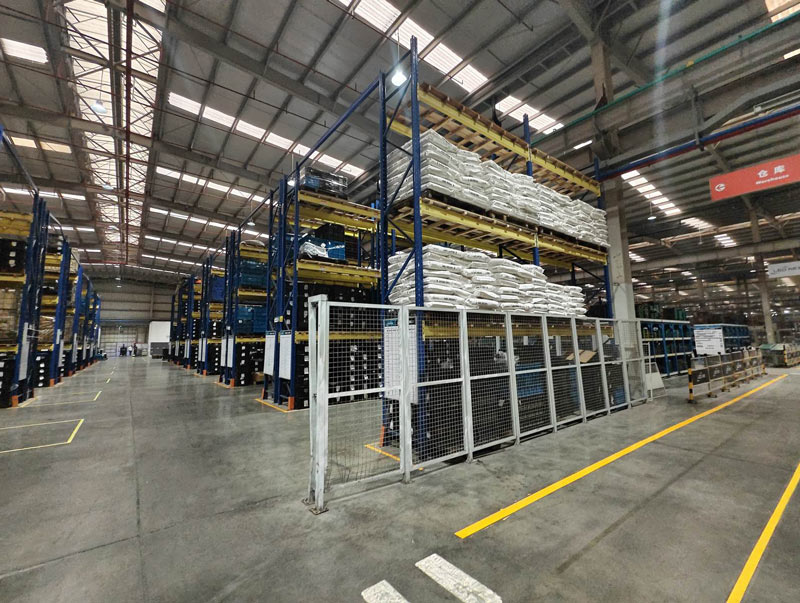 A typical on-site audit runs one to two days and follows a fairly consistent sequence regardless of type. The auditor reviews the factory’s past performance and defines the scope beforehand, then opens the visit with a meeting to align on objectives with factory management. From there, most of the day is spent walking the floor and cross-checking what’s observed against documentation – equipment condition, workflow, storage practices – while also interviewing workers directly, since conditions described in a policy document don’t always match what employees will say in private. Auditors typically ask to see:
- Certifications and prior audit reports
- Supplier capability and capacity checklists
- Equipment calibration and maintenance logs
- Production schedules and output records
- HR policies, contracts, and payroll records
- Environmental permits, where applicable
A missing document is rarely disqualifying on its own, but it often signals a deeper gap – a factory with no calibration log for its testing equipment, for instance, usually also has weaker overall QC discipline. The most common findings tend to cluster around a handful of areas: incomplete or outdated training records, subcontracting the buyer wasn’t told about, blocked fire exits, and gaps in raw-material traceability. Major issues usually point to a safety or legal problem; minor ones are more often paperwork and process gaps – but a factory that accumulates enough minor findings across categories often has the same underlying discipline problem as one with a single major finding.
The audit closes with an exit meeting where preliminary findings are shared, followed by a formal report with category-by-category scoring. A recent Extensive Factory Audit from AQI Service’s own files illustrates how this plays out: the factory scored 58 out of 116 available points – a 50% result flagged as “Needs Improvement” – but the score wasn’t uniformly low. Facilities and social accountability scored well, while the quality control system and final inspection categories scored poorly, meaning the physical plant was solid but the checks meant to catch defects before shipment were weak. That kind of category breakdown is what makes an audit useful for deciding what to fix, rather than just whether to walk away.
How Often to Audit, and What Happens After
Frequency depends on risk rather than a fixed calendar.
New suppliers should be audited before onboarding, full stop. High-risk suppliers – new geographies, critical components, a history of quality issues – are usually worth revisiting every six to twelve months. Lower-risk or long-standing strategic suppliers can typically go a year or two between audits without much added risk.
After the report lands, the real work is what the buyer does with it. A low score on a specific category should translate into a Corrective Action Plan with a clear timeline, and a follow-up audit or inspection to confirm the fix actually happened rather than just being promised. It’s worth being realistic about what an audit can and can’t tell you: it’s a snapshot of one day, and some factories do prepare specifically for audit day in ways that don’t reflect daily operations. Auditor judgment also varies somewhat between individuals, and language or cultural gaps can obscure issues that would otherwise surface. None of this makes audits less worth doing – it’s why most buyers pair periodic audits with ongoing monitoring, such as Pre-Shipment Inspections on individual orders, rather than treating one audit as a permanent verdict.
Choosing an Audit Partner
The provider you choose affects how much you can trust the result. Independent third-party factory audit firms give you standardized, widely accepted reports at arm’s length from the factory relationship; internal audit teams bring deeper familiarity with your own specifications but cost more in staff time and carry more risk of unconscious bias toward suppliers your team already works with. Most established buyers end up using a mix – third-party audits for consistency and reach across a large supplier base, with internal review reserved for a handful of strategic accounts.
When evaluating a provider, look for industry-specific experience in your product category, geographic coverage that actually matches where your suppliers are located, and transparency about how scoring works – you should be able to see a sample report before you commit, not just take a sales pitch on faith. AQI Service publishes sample audit reports for exactly this reason. If you need to vet a supplier’s basic legitimacy before committing to a full on-site audit, a Tele-Investigation Audit is a lower-cost way to confirm a factory is real and operating before you schedule the deeper visit.
Smaller buyers with limited budgets aren’t locked out of this either – a scoped-down audit focused only on the highest-risk category for your product, rather than the full battery of checks, still surfaces the findings that matter most, and remote or hybrid audit formats can bring the cost down further for lower-risk suppliers.


