How to Build a Quality Control Inspection Checklist That Actually Works
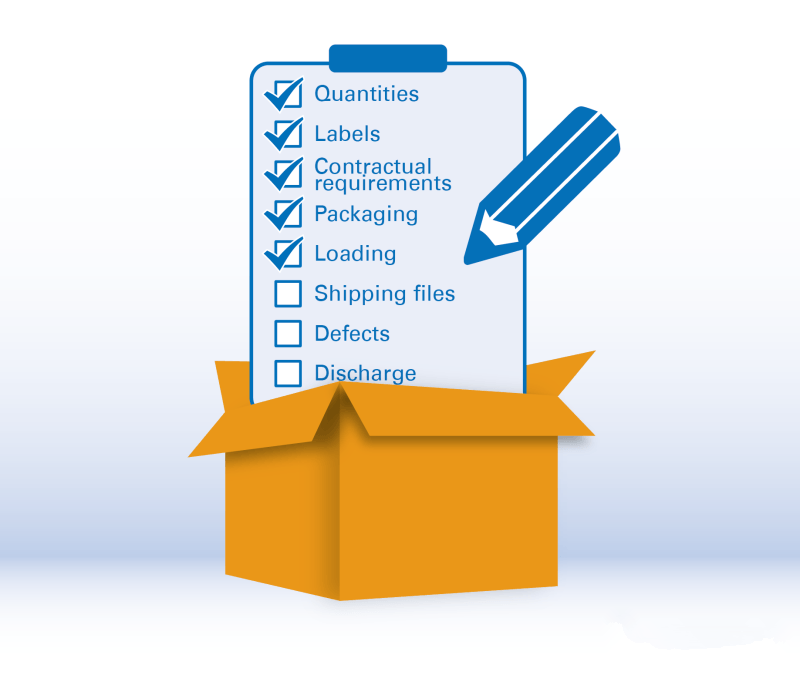
A quality control inspection checklist is the document that converts your quality expectations into a set of verifiable, objective standards – ones that a factory worker, a third-party inspector, and a supplier manager can all interpret the same way. Without it, “good quality” means something different to everyone involved, and that gap is where defects, disputes, and rejected shipments originate. This guide covers what a QC checklist must include, how to structure it for real factory conditions, and where most importers leave gaps that cost them later.
What Is a Quality Control Inspection Checklist?
A quality control inspection checklist – also called an inspection criteria sheet (ICS) – is a structured technical document that defines every specification, test, and appearance requirement your product must meet before leaving the factory. As the ASQ check sheet definition describes, it is a data collection tool designed to record facts systematically, removing the ambiguity that leads to defects and shipment disputes.
It is worth being precise about what a QC checklist is not. It is not a Standard Operating Procedure (SOP), which tells the factory how to build your product. It is not a purchase order, which records commercial terms. The checklist is the verification tool – used to confirm that the finished output matches what was agreed, before payment is released and before goods ship.
The financial case for getting this right is straightforward. A $20,000 order with a 5% defect rate represents a direct $1,000 loss – before accounting for the cost of shipping unsellable goods. A professional inspection guided by a precise checklist typically costs a fraction of that. The checklist is the document that makes that inspection reliable.


What a Quality Control Inspection Checklist Must Include
Packaging Requirements
Packaging failures are among the most common findings in pre-shipment inspections, and most of them are preventable with clear upfront specifications. This section of the checklist should cover the full packaging structure: outer shipper carton, inner carton where applicable, and retail packaging.
Specify carton dimensions and weight limits, corrugated grade and wall thickness, packing method and cushioning materials, labeling requirements including shipping marks and barcodes, and printing specifications for any regulatory symbols or artwork. If your product requires a carton drop test, define the test height, number of drops, and pass criteria here. Leaving these details vague is how shipments arrive with crushed corners and damaged units.
Product Specifications
This section defines what the product itself must look like and measure. Every requirement here should be expressed as a number or an observable fact – not a subjective description. “Blue” is not a specification. “Pantone 286 C, tolerance ±1 shade” is.
Product requirements in the checklist should include:
- Dimensions and tolerances (e.g., length 150mm ±2mm)
- Weight (e.g., 250g ±3%)
- Materials and construction method
- Color references using Pantone color codes where applicable
- Surface finish and texture
- Markings and labeling – regulatory marks, voltage ratings, hang tags, UL certification
Reference photos alongside written specifications remove ambiguity that words alone cannot resolve, particularly for appearance-related requirements.
Reliability Tests and On-Site Tests

This is the section most importers underspecify. Writing “function test” as a checklist item is not enough. Each test entry should define the procedure, the pass/fail criteria, and any relevant tolerance. Without that detail, two inspectors running the same test can reach different conclusions.
Common on-site tests for a quality control checklist include:
- Barcode scan check – confirm each barcode scans correctly against the expected SKU
- Carton drop test – specify drop height and number of repetitions per packaging standard
- GSM check – for fabric density; state target GSM and acceptable tolerance
- Moisture check – for wood products; state maximum moisture content percentage
- Crosshatch adhesion test – for enamel-coated or painted surfaces
- Vulcanization test – for rubber components, particularly footwear
- Function test – define exact steps and expected outcome for each product type
- Hi-pot test – for electrical products; specify voltage and duration
- Integrating sphere test – for LED lighting products
For regulated categories – children’s products, electronics, food-contact materials – on-site tests supplement but do not replace laboratory testing.
Equipment List and Responsibility Assignment
A checklist that specifies a GSM check without stating who provides the equipment creates a predictable problem: the inspector arrives and the equipment is not there. The inspection either gets rescheduled or the check gets skipped entirely.
For every test requiring equipment, the checklist must state what equipment is needed and who is responsible for providing it – factory, inspector, or buyer. This single clarification prevents a recurring source of wasted inspection time and cost. If you are unsure what equipment a specific test requires, your third-party inspection company can advise before the checklist is finalized.
Defect Classification – The Section That Makes a Checklist Operational
 Defect classification is where a quality control checklist moves from descriptive to actionable. Without it, there is no objective basis for a pass/fail decision, and every borderline finding becomes a negotiation.
The standard framework, aligned with ISO 2859-1 AQL sampling methodology, classifies defects into three categories:
- Critical – creates a safety hazard or regulatory non-compliance. Grounds for immediate rejection regardless of quantity found.
- Major – affects function, appearance, or marketability in a way likely to cause customer returns or complaints.
- Minor – a departure from specification that is unlikely to affect function or customer satisfaction.
Each potential defect type should be listed explicitly and assigned a classification before the inspection takes place – not argued about after findings appear. For example: a gap between product components measuring 3mm or less may be classified as minor; the same gap exceeding 3mm becomes major. Glue residue that can be wiped off is minor; permanent residue is major.
This level of specificity serves two functions. It tells the supplier exactly what standard they are being held to before production begins. And it gives the inspector objective criteria to apply during AQL sampling, removing subjective judgment from borderline cases.
The Product File – Where Every QC Checklist Must Start
One of the most common structural weaknesses in importer QC checklists is that they are built as generic forms and reused across products, rather than being anchored to a specific order. A textile order, an electronic accessory, a molded plastic part, and a furniture item all require different critical-to-quality checkpoints. What stays consistent is the underlying structure.
Before building or updating a checklist, freeze the product file: current purchase order, specification sheet, approved sample, drawings, material callouts, tolerance rules, artwork, barcode list, accessory list, packing method, and any approved change notes. If the factory is working from newer production notes than the buyer, the inspection starts from a disagreement before it has begun.
The checklist should also make the sampling plan visible. State the lot size, sample size, SKU spread, carton spread, and any high-risk subgroups. A structured sampling plan is different from casually picking a few cartons at random – it follows ISO/IEC 17020, which requires inspection bodies to operate with competence, impartiality, and consistency.
Matching the Checklist to the Right Inspection Stage
A quality control inspection checklist is not a single document used once at the end of production. Different inspection stages require different emphases, and a well-structured quality program uses the checklist as a reference across the full production cycle.
| Inspection Stage | Primary Checklist Focus |
|---|---|
| Pre-Production Inspection | Raw materials, components, labels, tooling readiness, approved sample comparison |
| During Production Inspection | Early output quality, defect patterns, process compliance, line-level correction |
| Pre-Shipment Inspection | Finished goods, AQL sampling, function tests, packaging, release decision |
| Container Loading Supervision | Carton count, container condition, seal verification, photo documentation |
A factory audit conducted before placing an order looks at supplier capability, quality management systems, and production capacity, a different scope entirely from a product-specific QC checklist. A pre-shipment inspection checklist shouldn’t be expected to compensate for checks skipped earlier in the process, since each stage closes off a different set of risks. Importers who lean on a single final inspection to catch everything are left with a correction window much narrower than the production timeline actually allows.
Common Gaps That Undermine an Otherwise Good Checklist
No translation provided.
If your supplier’s team does not read English fluently, a checklist written only in English will be interpreted inconsistently. Request a Chinese-language version from your inspection company, or arrange translation before sharing with the factory.
Tolerances missing.
“Dimensions must be correct” is not a specification. Every measurable requirement needs a tolerance range. Without one, there is no objective basis for a pass/fail decision on borderline units.
Checklist not updated between orders.
If a supplier changes their material source, production line, or subcontractors between orders, the previous checklist may no longer reflect current production reality. Review and update before each new production run, not only for new products.
Release rule absent. A checklist that records findings but does not define what constitutes a pass, a hold, a sort, or a reinspect leaves the importer asking “so should we ship?” after every inspection. The release rule should be defined in the checklist before the inspector visits – not decided after the report arrives.
Closing
A quality control inspection checklist is only as useful as it is specific. The importers who get the most value from third-party inspections are the ones who arrive with a checklist detailed enough that the inspector can execute it without asking for clarification on-site. That level of specificity takes time to build – but it pays back that investment every time a shipment passes inspection cleanly, and every time a defect is caught before goods leave the factory rather than after they arrive.
Author: AQI Service provides pre-shipment inspection, during-production inspection, and factory audit services across China and Asia. Our inspection teams work directly from client-supplied checklists and can advise on checklist structure for specific product categories. Contact our team to discuss your requirements.