
Pre-shipment Inspection (PSI)
Verify Quality Before Your Goods Leave the Factories in China and other countries in Asia
 HK Tax ID: 62765141
  Operation in China & South of Asia
  ISO 9001:2015 Certificated





Pre Shipment Inspection across China, Vietnam, India, Bangladesh, Thailand, Malaysia, Indonesia, Pakistan, and Cambodia.
By the time your goods are packed and ready to ship, you’ve already committed the budget. A pre-shipment inspection is your last practical opportunity to confirm that what’s in those cartons actually matches what you ordered – before the container is sealed and the leverage disappears.
AQI SERVICE conducts pre-shipment inspections for importers sourcing across Asia. Our inspectors arrive at the factory, work through a structured checklist, and deliver a detailed report the same day. No surprises at the port. No expensive returns after delivery.
A Pre-Shipment Inspection (PSI), also called a Final Random Inspection (FRI), is an independent check carried out at the factory once 100% of production is complete and at least 80% of the order is packed. The inspector draws a statistically representative sample from the packed cartons under ISO 2859-1 / ANSI Z1.4 and checks it against your specifications.
It targets what most often goes wrong between sample approval and mass production: quantity discrepancies, workmanship defects, functional failures, and packaging or labeling errors. Within 24 hours you receive a photo-backed report with a clear pass, fail or hold result.
Unlike a during-production inspection (DPI), which catches problems while the line is still running, PSI is the final confirmation that the finished goods match your order.
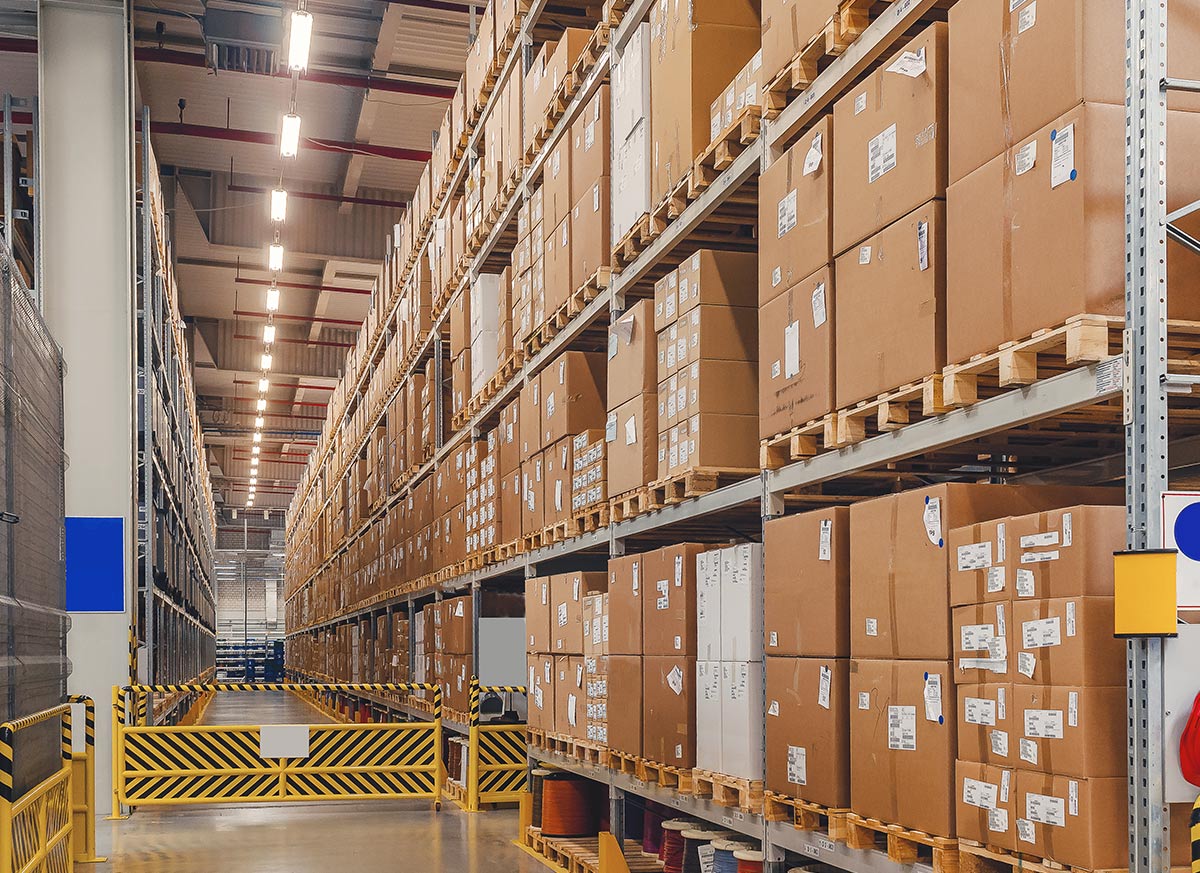
AQI SERVICE uses the ISO 2859-1 / ANSI/ASQ Z1.4 acceptance sampling standard for all pre-shipment inspections – the same methodology used by major global retailers, brands, and third-party inspection companies worldwide.
Under this system, the sample size scales with your lot size. For a 2,000-unit order at General Level II, the inspector pulls 125 units. For a 500-unit order, the sample size is 50 units. This ensures the inspection is statistically meaningful regardless of order size – not a fixed number chosen arbitrarily.
AQI inspectors document every defect found with photos and a full defect log, so you have a complete record whether the shipment passes or fails. If you need to dispute a quality issue with your supplier later, the inspection report is your primary evidence.
Since the PSI Inspection is an essential link in the supply chain, here we listed the six important steps for the pre shipment inspection process.
Once the customer booked PSI inspection from AQI Service and confirmed all detail of the checklist, AQI Service will coordinates the inspection date directly with your factory once you confirm the order is ready. Before the inspector arrives, they review your product specifications, approved sample details, and any special requirements – retailer compliance checklists, destination market labeling rules, or specific packaging standards. Preparation happens before the inspector sets foot in the factory, not on arrival.
The inspector meets with the factory’s sales or QC manager on arrival to confirm production status: total units produced, percentage packed, and lot availability for sampling. This step ensures the inspection proceeds against a complete and representative lot. If production hasn’t reached the required threshold – 100% complete, at least 80% packed – the inspection is rescheduled rather than conducted against an incomplete batch.
Before pulling samples, the inspector cross-references the actual packed quantity against your purchase order. Carton counts are verified, units per carton are confirmed, and total shipment quantity is documented. Quantity discrepancies – shortfalls, overages, or packing errors – are flagged at this stage, while the factory still has time to correct them.
The inspector pulls a statistically representative sample from your packed cartons using ISO 2859-1 (ANSI/ASQ Z1.4) AQL sampling. Sample size is determined by your total lot size and the inspection level in your quality agreement – typically General Level II.
Defects are pre-classified as:
AQL levels can be adjusted to match your product risk profile and buyer requirements. Items requiring special testing are set aside at this stage so time-intensive tests can run in parallel with the rest of the inspection.
Some products require tests that go beyond standard visual and functional checks. An electronics inspector might run a full charging cycle on a wireless device. A toy inspector might conduct a pull-force test on small components. A power tool inspector might run a continuous load test for a defined period. Because these tests take time, they’re started early in the inspection day so results are available before the report is compiled.
The inspector checks every element of outer and inner packaging: carton dimensions and weight, markings, item count per carton, sealing method, and inner packaging materials. Labels are checked for accuracy – product name, model number, country of origin, regulatory marks, and any retailer-specific requirements. Mislabeling is one of the most common causes of customs delays and retailer chargebacks, and it’s entirely preventable at this stage.
The inspector examines each sampled unit for visible defects – surface scratches, color inconsistencies, assembly gaps, missing components, paint imperfections, and any deviation from the approved sample. Every defect found is photographed and logged with a classification (critical, major, or minor) and a count. This is where most workmanship issues surface.
Each sampled unit is operated as intended to verify it performs correctly. For a piece of furniture, that means checking for wobble, structural stability, and drawer or door operation. For an electronic device, it means powering on, cycling through all operating modes, and verifying outputs. For a garment, it means checking zippers, buttons, and seam integrity under stress. Functional failures are classified as major defects in most quality agreements.
The inspector verifies that product dimensions – height, width, depth, weight – match the specifications in your purchase order and approved sample, using calipers, tape measures, and scales. This catches tooling drift, substituted components, and production variations that aren’t visible to the eye but matter for packaging fit and regulatory compliance.
Barcodes on both product and packaging are scanned to verify they read correctly, contain accurate product and destination information, and meet print quality standards for international shipping. Barcode errors are a leading cause of receiving rejections at major retail distribution centers – catching them here costs nothing compared to the cost of a rejected delivery.
After all checks are complete, the inspector presents a draft summary to the factory representative on-site. You receive the full inspection report within 24 hours – including photos of every defect found, AQL sampling data, defect counts by classification, and a clear pass, fail, or hold result. If the shipment fails, the report gives you documented grounds to request rework before the goods leave the factory. AQI can schedule a re-inspection once corrective action is complete.
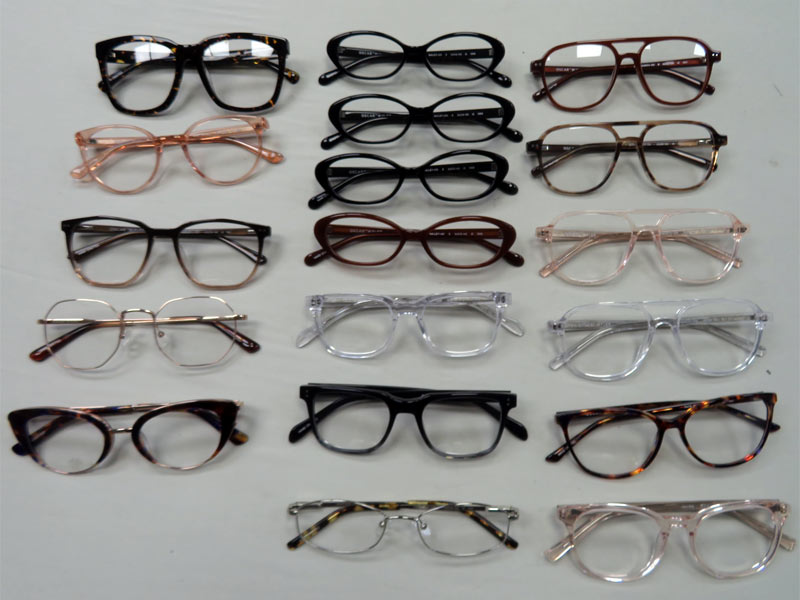 A eyeglass brand from Australia source the eyeglass frames from a manufacturer based in Henggang, Shenzhen, came to AQI Service after their customer flagged a recurring problem: some frames were arriving deformed. The root cause traced back to the final shaping process in production – the shaping step wasn’t being controlled tightly enough, and frames were coming out of it slightly warped before packing.
Rather than just flagging the defect after the fact, AQI Service’s inspector worked directly with the factory’s technical team on-site to address the cause: reviewing and improving the shaping jig and the shaping process itself. From there, every pre-shipment inspection for this product line included a targeted check specifically for frame deformation.
Before this intervention, the deformation defect rate on this product line was 13%. After the jig and process improvements were in place and deformation became a standing checklist item on every PSI booking, the defect rate dropped to 2.5%. Over three months of continued inspection, deformation cases became rare enough that the client now treats it as a routine spot-check rather than an active concern – and the overall defect rate on this product line has fallen well below where it started, helping the client maintain a strong reputation with their own customers.
AQI SERVICE conducts pre-shipment inspections across a wide range of product categories. Our inspectors are trained by category, not generalists working from a single template.
Furniture, home décor, kitchenware, storage products, garden and outdoor equipment
Garments, shoes, bags, accessories, soft goods across all major fabric types
Consumer electronics, smart home devices, power tools, lighting, cables and accessories
Toys, baby products, juvenile furniture – with specific attention to ASTM F963, EN 71, and CPSC compliance requirements
Power equipment, hand tools, automotive accessories, safety equipment
Bicycles, fitness equipment, camping gear, protective equipment
If your product category isn’t listed, contact us – our inspector network covers most manufacturing categories across Asia.
Most quality problems in imported goods aren’t discovered at the factory – they’re discovered at the warehouse, at customs, or worse, by the end customer. A pre-shipment inspection moves that discovery point to where it’s still actionable. Here’s what it specifically protects against:
PSI verifies that finished goods match your approved sample in appearance, workmanship, and construction. Production shortcuts, material substitutions, and assembly inconsistencies are common between sample approval and mass production – and they don’t show up on a purchase order. An independent inspector catches them before they become your problem to solve.
It’s not uncommon for a shipment to arrive short – or occasionally over – on units. PSI cross-references the actual packed quantity against your purchase order, so discrepancies are caught and resolved before the container is sealed. A quantity shortfall discovered at your warehouse is a logistics problem. Caught at the factory, it’s a five-minute conversation.
Different destination markets have specific requirements for labeling, safety markings, and product standards – CE marking for Europe, FCC for the US, and a growing list of requirements under regulations like the EU General Product Safety Regulation (GPSR). PSI verifies that products and packaging meet the relevant requirements before shipment, reducing the risk of customs holds and market access delays.
The cost of a pre-shipment inspection is fixed and predictable. The cost of what it prevents – rejected shipments, rework at destination, product recalls, and customer relationship damage – is not. Addressing a defect at the factory, before goods are loaded, is almost always cheaper than addressing it afterward. Most importers who’ve been through one expensive quality failure don’t skip inspections afterward.
Our inspector network covers the main manufacturing regions across Asia, with staff inspectors (not subcontractors) in all major locations.
China Guangdong (Shenzhen, Guangzhou, Dongguan, Foshan), Zhejiang (Hangzhou, Ningbo, Yiwu), Jiangsu (Suzhou, Nanjing), Fujian, Shandong, Hebei, and all major production provinces
Vietnam Ho Chi Minh City, Hanoi, Binh Duong, Dong Nai, Hai Phong
India Delhi NCR, Mumbai, Tirupur, Chennai, Bangalore
Southeast Asia and South Asia Bangladesh, Thailand, Malaysia, Indonesia, Pakistan, Cambodia, Laos
Pricing is all-inclusive. One flat rate covers inspector time, transport to the factory, report writing, and same-day on-site summary. No hidden travel surcharges added after booking.
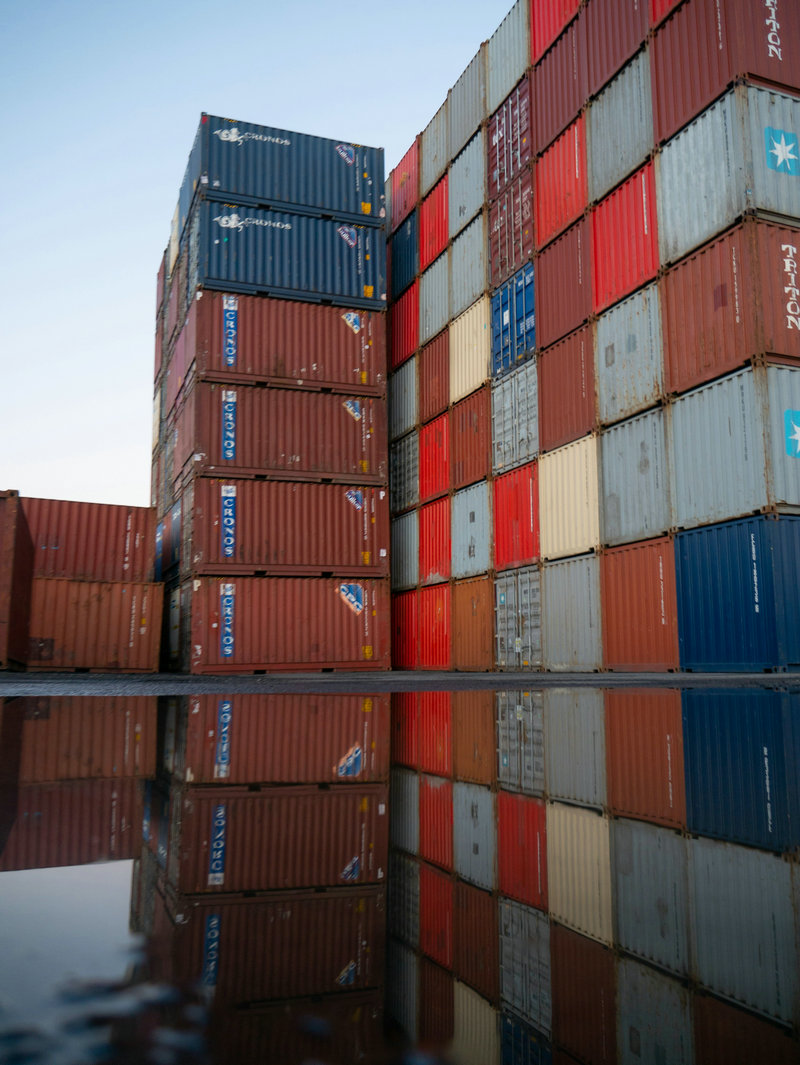
Book when your supplier confirms that 100% of production is complete and at least 80% of the order is packed. Booking too early means inspecting an incomplete lot and missing defects that appear in the final production run. Booking too late risks missing the window before loading begins.
PSI is priced per man-day, meaning one inspector for one working day, and the rate is all-inclusive: inspector travel, time on-site and report delivery are covered, with no surcharges added afterward. The final quote depends on four things: factory location, product complexity, number of SKUs, and whether special testing equipment is needed. A typical single-product order fits in one man-day, while mixed or multi-SKU shipments may need more. See our price list for the current rates, or contact us with your product and factory location and we will confirm the quote before you book. For a broader view of what PSI costs across the market, read our guide to pre-shipment inspection costs.
Most pre-shipment inspections are completed within one man-day (approximately 8 hours on-site). Larger orders or products requiring extended functional testing may require additional time, which is confirmed at booking – not billed as a surprise afterward.
Yes. AQI SERVICE uses a library of over 1000 product-specific checklists as a starting point, and we incorporate your custom requirements – approved sample specs, specific defect definitions, retailer compliance requirements, destination market labeling rules – before the inspection begins.
A failed inspection report gives you documented grounds to request rework before the shipment leaves the factory. AQI SERVICE can schedule a re-inspection after the factory completes corrective action. The report also serves as evidence in any supplier dispute or insurance claim.
It’s not legally required in most cases, but many major retailers and e-commerce platforms require it as a condition of supplier approval. Even where it’s not required, it’s standard practice for importers managing quality risk across overseas supply chains – particularly for first orders with a new supplier or after a previous quality issue.
Standard PSI uses AQL statistical sampling, not 100% inspection. For high-value or high-risk products where 100% inspection is required, AQI SERVICE can arrange full-unit inspection – contact us to discuss requirements and pricing.

PSI is the most common entry point for importers building a quality control process, but it works best as part of a layered approach rather than a standalone last-minute check.
A during-production inspection (DPI) catches defects while the production line is still running – when corrections are faster, cheaper, and don’t require unpacking finished cartons.
A factory audit evaluates your supplier’s overall capability, processes, and compliance before you place an order.
Third-party laboratory testing covers regulatory compliance and safety certification for markets that require documented test reports.
Not every shipment needs all three. But understanding where each fits helps you put your QC budget where the actual risk is – rather than relying on a single inspection at the end of production to catch everything.
PSI is the most common entry point for importers building a quality control process, but it works best as part of a layered approach rather than a standalone last-minute check.
A during-production inspection (DPI) catches defects while the production line is still running – when corrections are faster, cheaper, and don’t require unpacking finished cartons.
A factory audit evaluates your supplier’s overall capability, processes, and compliance before you place an order.
Third-party laboratory testing covers regulatory compliance and safety certification for markets that require documented test reports.
Not every shipment needs all three. But understanding where each fits helps you put your QC budget where the actual risk is – rather than relying on a single inspection at the end of production to catch everything.
“Pre-shipment inspection” isn’t a term AQI invented – it also has a formal home in international trade law. The WTO’s Agreement on Preshipment Inspection, in force since January 1, 1995, governs preshipment inspection programs that governments – mostly in developing countries – mandate on imports, to verify price, quantity, and customs classification before goods leave the exporting country. It sets rules against unnecessary delays and discriminatory treatment, and established an independent review mechanism to resolve disputes between importers and the inspection entities carrying out these checks.
It’s worth being precise about what this agreement does and doesn’t cover. It applies to government-contracted programs tied to customs valuation and import compliance – not the commercial, buyer-initiated PSI that AQI SERVICE performs on your behalf. The two share a name and a broad purpose – verifying goods before they leave the country of origin – but they run on different mandates: one is a customs-control instrument between governments, the other is a quality-assurance check you commission to protect your own purchase order.
The connection is more than semantic, though. Since the WTO’s Trade Facilitation Agreement (Article 10.5) pushed member governments to scale back mandatory preshipment inspection tied to tariff classification and customs valuation, government-run PSI programs have been narrowing in scope. Buyer-commissioned PSI hasn’t – if anything, it’s become more central, since it catches the quality, quantity, and workmanship issues that customs-focused inspection regimes were never designed to check in the first place.
Knowledge of China Inspection, Asia Inspection, Inspection Standards, Product
Testing, Compliance Certification, Quality Control Solutions, etc.

Request a Quote to gain peace of mind and ensure product quality with AQI Service

Check out our quality inspection report samples for factory audit and product inspection in China & Asia.
 https://aqiservice.com/wp-content/uploads/2026/09/White-Mattress-Inspection-Services-in-China.jpg
533
800
Jolyne Chen
https://aqiservice.com/wp-content/uploads/2024/02/newlogo3.png
Jolyne Chen2026-10-06 09:59:352026-09-19 09:59:33Mattress Inspection for Global Sourcing: What Importers and Procurement Teams Need to Verify Before Every Shipment
https://aqiservice.com/wp-content/uploads/2026/09/White-Mattress-Inspection-Services-in-China.jpg
533
800
Jolyne Chen
https://aqiservice.com/wp-content/uploads/2024/02/newlogo3.png
Jolyne Chen2026-10-06 09:59:352026-09-19 09:59:33Mattress Inspection for Global Sourcing: What Importers and Procurement Teams Need to Verify Before Every Shipment https://aqiservice.com/wp-content/uploads/2024/08/Electronic-computer-accessories.jpg
533
800
Jolyne Chen
https://aqiservice.com/wp-content/uploads/2024/02/newlogo3.png
Jolyne Chen2026-09-29 06:35:532026-09-19 10:28:57Computer Accessories Quality Inspection: What Importers Need to Verify Before Every Shipment
https://aqiservice.com/wp-content/uploads/2024/08/Electronic-computer-accessories.jpg
533
800
Jolyne Chen
https://aqiservice.com/wp-content/uploads/2024/02/newlogo3.png
Jolyne Chen2026-09-29 06:35:532026-09-19 10:28:57Computer Accessories Quality Inspection: What Importers Need to Verify Before Every Shipment https://aqiservice.com/wp-content/uploads/2024/07/china-inspection-for-bridal-dresses-wedding-dresses-made-in-china-thomas-ae-601054-unsplash.com_.jpg
533
800
Jolyne Chen
https://aqiservice.com/wp-content/uploads/2024/02/newlogo3.png
Jolyne Chen2026-09-21 20:40:352026-09-21 12:38:03Wedding Dress Quality Inspection: What Importers Should Check Before Shipment
https://aqiservice.com/wp-content/uploads/2024/07/china-inspection-for-bridal-dresses-wedding-dresses-made-in-china-thomas-ae-601054-unsplash.com_.jpg
533
800
Jolyne Chen
https://aqiservice.com/wp-content/uploads/2024/02/newlogo3.png
Jolyne Chen2026-09-21 20:40:352026-09-21 12:38:03Wedding Dress Quality Inspection: What Importers Should Check Before Shipment