Comprehensive Guide to Glass Products and Glassware Inspection in China

Glassware Inspection Introduction
Glass is a common non-metallic material used in industrial manufacturing. In addition to its wide application in the construction industry, glass products are also an essential part of our daily lives. Glass products play an indispensable role in modern life, showcasing unique beauty and practicality. Whether it is transparent drinkware, elegant decorations, or sturdy building materials, glass enhances our quality of life with its unique physical properties and visual effects.
In terms of quality control and inspection of glass products, different production stages will have different operational standards. In this article, we will introduce the common quality control testing standards for glass products, typical defects found in glass products, and a checklist for inspecting glass products.
Glassware Products from China
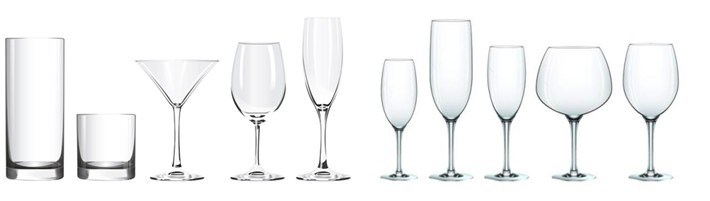
China offers a wide variety of glass products. Here are some common types of glass items:
-
Drinkware:
- Wine glasses, beer mugs, and champagne flutes
- Water cups, tea cups, and coffee cups
- Cocktail glasses
-
Food Containers:
- Glass jars and sealed containers
- Food storage containers
- Glass baking dishes and pizza pans
-
Decorative Glass:
- Glass vases
- Glass sculptures and artworks
- Glass balls and ornaments
-
Building Glass:
- Glass windows
- Glass curtain walls
- Glass partitions for bathrooms
-
Laboratory Glass:
- Beakers, test tubes, and petri dishes
- Glass funnels and measuring cylinders
- Glass bottles and medicine vials
-
Lighting:
- Glass lampshades
- Chandeliers and wall lights
- Glass components for lighting fixtures
-
Household Items:
- Glass plates, bowls, and cups
- Glass tabletops and cabinets
- Glass mirrors
Chinese glass products are popular in the international market due to their variety and relatively low cost.
Why Quality Control Inspection is Important for Glass Products
Quality control is very important for glass products for the following reasons:
a. Safety:
If there are quality issues with glass products (such as tiny cracks or uneven thickness) during use, they may break or shatter, posing a risk of injury to users. Therefore, strict quality control ensures the safety of the product during use.
b. Performance and Durability:
Glass products, such as drinkware and laboratory tools, need to have certain properties like heat resistance, cold resistance, and chemical corrosion resistance. Quality control ensures that the products can function properly under various conditions without easily breaking.
c. Consistency:
Maintaining product consistency is important for both retailers and consumers. Quality control can ensure that every batch of products has the same size, weight, and appearance, which enhances brand reputation.
d. Customer Satisfaction:
High-quality glass products improve customer experience, reduce the likelihood of returns, and increase customer satisfaction and loyalty.
e. Cost Efficiency:
Effective quality control can reduce the production of defective and waste products, lowering production costs. In addition, high-quality products help maintain brand image and attract more customers, leading to higher sales and profits.
f. Regulatory Compliance:
Many countries and regions have strict quality and safety standards for consumer products, including glass products. Quality control ensures that products meet these regulations, avoiding legal risks and potential financial losses.
g. Competitive Advantage:
In a highly competitive market, providing high-quality products can help businesses stand out, gaining market share and consumer trust.
In summary, quality control plays a crucial role in ensuring the quality, safety, and market competitiveness of glass products.
Common Standards for the Quality Control of Glass Products
-
ISO Standards
- ISO 12870: Glass in building – Determination of the resistance to fragile fracture.
- ISO 11450: Glass – Requirements for the construction and performance of glass.
- ISO 3818: Glass – Determination of the thermal expansion coefficient.
-
ASTM Standards (American Society for Testing and Materials)
- ASTM C1036: Standard Specification for Flat Glass.
- ASTM C1048: Standard Specification for Heat-Strengthened and Fully Tempered Glass.
- ASTM C1172: Standard Specification for Laminated Architectural Glass.
-
EN Standards (European Norms)
- EN 12150: Glass in Building – Thermal Toughened Soda Lime Silicate Safety Glass.
- EN 1279: Glass in Building – Insulating Glass Units.
- EN 14351-1: Windows and doors – Product standard, performance characteristics.
-
AAMA (American Architectural Manufacturers Association) Standards
- AAMA/WDMA/CSA 101/I.S.2/A440: Standard/Specification for Windows, Doors, and Skylights.
What Are the Common Defects in Glass Products?
Bubbles:
Small bubbles may form inside the glass during the manufacturing process, affecting transparency and appearance.
Scratches:
Scratches may appear on the glass surface during processing, transportation, or use, which can affect its appearance and functionality.
Color Variance:
Differences in raw materials or manufacturing processes may lead to color differences between products in the same batch.
Cracks:
Glass may develop cracks during cooling or when subjected to impact, which can compromise its strength and safety.
Deformation:
Improper temperature control during manufacturing may cause glass products to deform, affecting their size and shape accuracy.
Surface Irregularities:
Irregularities on the glass surface may arise from production processes or material issues, affecting optical performance.
Cloudiness:
Glass may become cloudy due to contaminants or impurities from the manufacturing process, reducing transparency.
Understanding these common defects can help in making better judgments when selecting and using glass products, ensuring the choice of reliable quality items.
What is Glassware Inspection Checklist Included?
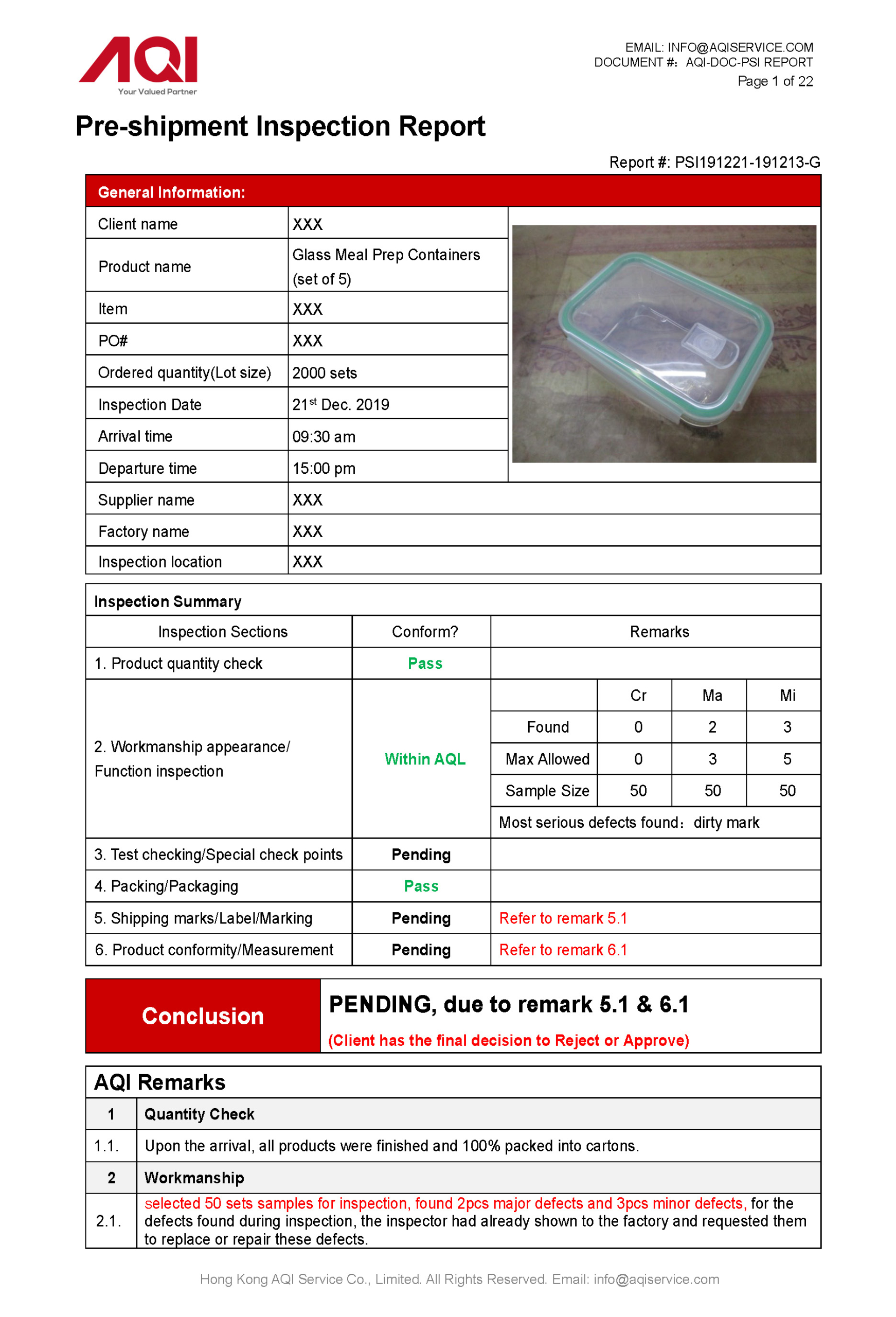
-
Appearance Inspection
-
Visual Inspection:
- Cracks: Use a magnifying glass under natural light or special observation lights to carefully check the outside and inside of the glassware, especially the edges and bottom. Note that even tiny cracks can lead to breakage during subsequent use.
- Bubbles: Check for the presence of bubbles, as they may cause uneven strength in the glass, which is especially dangerous under pressure or high temperatures.
- Surface Smoothness: Ensure the surface is smooth with no burrs, scratches, or other defects that could affect use. The surface should be free of flaws and clear.
-
Cleanliness:
- Use laboratory-grade detergents and deionized water to clean the glassware, ensuring no chemical residues remain.
- Check for water spots, remaining foam, or impurities after washing. If necessary, use ultrasonic cleaning equipment for thorough cleaning.
-
-
Size Inspection
-
Confirm Dimensions:
- Use precise measuring tools like calipers to measure key dimensions of the glassware, such as diameter, height, and wall thickness, ensuring they meet product specifications.
- Pay special attention to consistency in the shape for uniquely shaped glassware, such as conical shapes or wooden cups.
-
Check Thickness:
- For glassware that needs to withstand pressure, consistent wall thickness is crucial. As a rule, measurements should be taken at multiple points to ensure uniform thickness.
-
-
Heat Resistance Testing
-
Testing Method:
- Place the glassware in a temperature-controlled oven and gradually increase the temperature to test its response to high heat.
- Start at room temperature and raise the temperature by 30 degrees Celsius every 30 minutes, recording whether deformation, cracking, or smoking occurs at different temperatures.
-
Application Environment:
- For glassware used in high-temperature laboratory applications, such as beakers and test tubes, ensure it can be safely used at temperatures above 100°C.
-
-
Chemical Stability
-
Chemical Resistance Testing:
- Introduce different types of chemical reagents (such as concentrated hydrochloric acid, sodium hydroxide, and ethanol) into the glassware and observe their effects on the glass over a set period.
- Record any significant chemical reactions, surface corrosion, or discoloration and rate them (e.g., 1-5, where 1 indicates no impact and 5 indicates severe corrosion).
-
Durability Testing:
- Assess the glassware’s performance during prolonged contact with various chemicals to ensure it can be kept in actual applications without reactions over an extended period.
-
-
Labels and Markings
-
Check Labels:
- Ensure each product has clear, durable labels that include the product name, use, precautions, and storage conditions.
- Labels should be waterproof to prevent wear during cleaning or use.
-
Compliance Check:
- Verify that the labels conform to relevant industry standards, ensuring users can clearly understand the product’s limitations and safety information.
-
-
Packaging Integrity
-
Check Packaging:
- Ensure packaging materials (such as foam boxes and cartons) are suitable for transport and effectively prevent collisions and damage to the glassware during shipping.
- Conduct drop tests to check if the packaging can withstand certain physical impacts.
-
Integrity Check:
- Check each product for completeness upon unboxing, and report any damages or missing parts.
-
-
User Instructions
-
Accompanying Instructions:
- Each piece of glassware must come with detailed instructions, including the temperature range for use, applicable chemicals, cleaning and maintenance advice, and handling and storage precautions.
- Instructions should be available in multiple languages to ensure user understanding.
-
Training and Guidance:
- For key products, training materials may need to be provided to ensure users are well-acquainted with proper use.
-