Top 9 Packaging Tests that Ensure Your Products are Safe

Packaging Tests
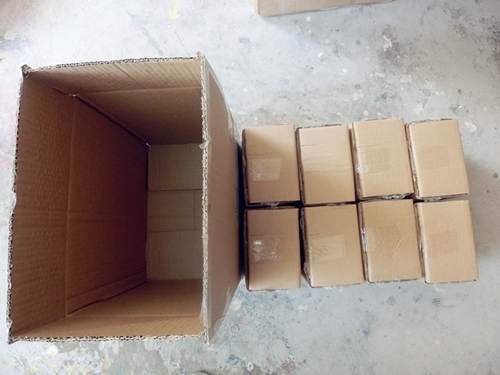 Many importers tend to overlook the importance of product packaging. Well, poor packaging is one of the leading causes of product damage during delivery. Several things can affect your product’s packaging from environmental factors to handling stress. Therefore, you need to ensure that the packaging can survive all the hazards along the way.
Packaging tests are a great way to find out if the products are packed using the right materials that keep the items inside safe throughout the fulfillment network. Conducting a series of tests can help in detecting faults and solving them before the delivery process begins. We provide you with the top 9 lab tests that enable you to keep your products safe until they reach your customers.
-
1. Bursting Strength Test
A bursting strength test involves measuring the force that can cause a puncture on the carton. As a result, the force is applied to the flat surface of the package. The tests enable you to determine the carton’s ability to withstand the stress during transportation.
Standard to use: TAPPI T 810
Tool: Bursting strength tester
-
2. Edge Crush Test
Stacking cartons makes handling, storage, and transportation easy. However, some manufacturers can stack more than appropriate cartons to beat space problems. This, in turn, can make the boxes cartons collapse if the material used is not strong.
ECT helps you to measure the performance of the cartons when a force is subjected to its edge. The tests involve picking a sample and applying a load to the edge. By testing the quality of the material used, you will be able to make the necessary adjustment to ensure the load is safe.
Standard to use: TAPPI T 811
Tool: ECT tester
-
3. Puncture Resistance Testing
Delivery of products from abroad entails many activities and needs the work of many people in the various stages of delivery. During this process, the package can get punctured like when the boxes collide. The sharp edges of the containers, boxes, and the machines used can also puncture the cartons.
The purpose of this test is to simulate the events that happen along the supply chain that can cause punctures on the packaging material. Appropriate equipment is used to perform the tests repeatedly by hitting the carton at a 90° angle.
Standard to use: ISO 3036:1975
Tools: Puncture test jigs and probes
-
4. Climatic Conditioning Testing
Climate testing entails exposing the package to various climatic conditions that the package may encounter during shipment for a given period. The packaging is exposed to different extremes of dry, cold, humid, and cold environments. The aim is to monitor how the package performs when subjected to environmental changes that are likely to affect its physical properties.
The tests help in exposing flaws in the packages like glue joints and seals weakening and the packaging gets damaged. You can then be able to take appropriate measures to ensure that the products in transit are safe.
Standard to Use: ASTM D4332
Tool: Calibrated test chamber
- 5. Vibration Testing
The supply chain involves the use of trucks and vehicles which produce vibrations due to bumpy roads causing impacts on the packaging and products inside. This test aims at assessing the performance of the carton when exposed to vibrations by simulating the vibration environment.
Standard to use: ASTM D999-08 (2015)
Tool: Shaker or a vibration table
-
6. Compression Testing
When boxes are stuck together during transportation, the ones on top exert pressure, which can damage those at the bottom. A package should be strong enough to withstand the compressive force it might experience in transit.
This packaging test evaluates the strength of the packaging material in resisting external forces. The load is applied to the packaging’s face and on the sides. It helps to detect ay distortions and damage to the packaging that can occur exposing the products to damage.
Standard to use: ASTM D642 – 15
Tool: Compression testing machines
-
7. Shock Testing
Shock testing is almost similar to carton drop testing only that this test is comprehensive and with more accuracy than on-site testing. The use of the machine in this test eliminates the human errors that affect the trials in the case of drop testing. For instance, a machine’s 90° drop is more precise, while the human drop has some variations. Despite how little the variation can be, it may not reveal some weaknesses in the packaging.
Standard to use: ASTM D 5487
Tool: Shock test machine
-
8. Leak Testing
Leak tests are vital when dealing with a product that can be affected by reduced pressure, such as liquids and foods. A drop in pressure due to leaks can cause the packaging to burst. If liquids leak while on transit it’s not possible to repackage them which makes this process quite crucial. Besides, once the packaging is damaged, the safety of the products is compromised, and it becomes unsellable.
The test simulates a rise in air pressure. The original pressure is measured before the test and compared with the final pressure after a certain period. The difference between the recordings indicates leakage and other weaknesses in the packaging.
Standard: ASTM D4991 – 07(2015)
Tool: Vacuum chamber leak detector
A packaging test doesn’t just check the integrity of the packaging materials. It also ensures that the packaging complies with the legal regulations such as the elimination of toxins. If your packaging doesn’t meet the legal requirements, then you are likely to incur liabilities such as fines and lawsuits. The only way to be sure that you comply with the regulation is through lab testing.
The Model Toxics in Packaging Legislation requires sellers to eliminate plasticizers, heavy metals, and other toxic chemicals in the packaging supplied across the 19 U.S states. Europe also has the European Union Packaging Directive that offers regulations on the management of waste packaging.
If you are selling in these markets, then you’ll need to abide by the laws. So, make sure to request a Certificate of Compliance from your supplier to ensure that the packaging meets the legal requirements.
Standard: EPA SW-846 Method 3052, ASTM C1606 – 10(2014), and ASTM F2617 – 08e1.
Tool: Laboratory equipment for chemical detection.
Conclusion
Ensuring that your packaging is safe requires lots of testing, and leaving the responsibility up to your manufacturer shouldn’t be an option. Poor packaging doesn’t just put your products at risks, and it can damage your brand image. Packaging tests are a great way to ensure that your customers receive the products in good condition.
Related:
Author: AQI Service as a professional quality control service company in China specialized to provide a complete range of quality inspection and testing certification services in China & Asia for global importers, buyers, retailers, and sellers.